

























































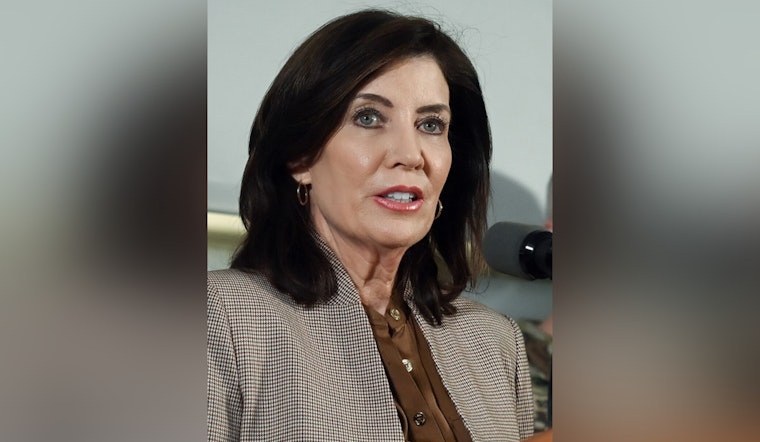
In a clear bid to push against the legislative tide, New York Governor Kathy Hochul has made her resentments known about the "One Big Beautiful Bill Act," a bill that has been the source of much contention since its narrow pass through the House. The Governor's communication appealed to U.S. Senate Majority Leader John Thune and Senate Minority Leader Chuck Schumer to consider the deep cuts to healthcare, education, food access, and more that are part of the bill, calling instead for a bipartisan alternative that could serve the working families better, according to a Gothamist report.
As the House-passed "One Big Beautiful Bill Act" makes its way to the Senate floor, the divisions in the GOP are becoming increasingly evident, according to CBS News, with critical Republican senators flagging issues before it's potential passing; these members believe the bill's current stipulations, which include Medicaid alterations and deep cuts to spending, are problematic to the point where some are considering opposing the package unless significant changes are made as it could widen the socioeconomic rift even as the Congressional Budget Office warns that its benefits tilt towards the wealthier citizens.
On one hand, GOP senators wrestle with the delicate balance between fiscal conservatism and the needs of the electorate, there's Senator Rand Paul's vocal opposition to the debt ceiling increase, and proposed alternatives that would increase the limit, but only temporarily to ensure spending cuts have been created effective; on the other, Hawley's and Collins' pushback against the proposed changes to Medicaid speaks to a concern for the social safety net critical to low-income Americans and those with disabilities.
Sen. Rand Paul is not alone in his apprehension about the economic implications of "One Big Beautiful Bill Act," raising significant concerns similar concerns were echoed by other GOP members such as Jim Justice, Susan Collins, and Lisa Murkowski, the latter two having expressed their unease with the potential impacts on Medicaid and consequently, on the constituents they serve, "I'm concerned about the provider tax. That's not a direct benefit cut, but if it closes rural hospitals, then people can't get coverage," Hawley told CBS News earlier this month, drawing attention to the underlying implications of policy decisions on real-world healthcare access.
The looming cuts to SNAP benefits, integral to the sustenance of lower-income households, are likewise under scrutiny, with the proposal requiring states to contribute to the costs from 2028—another layer of contention amongst senators like John Boozman, who foresees a need to address these concerns.




