

























































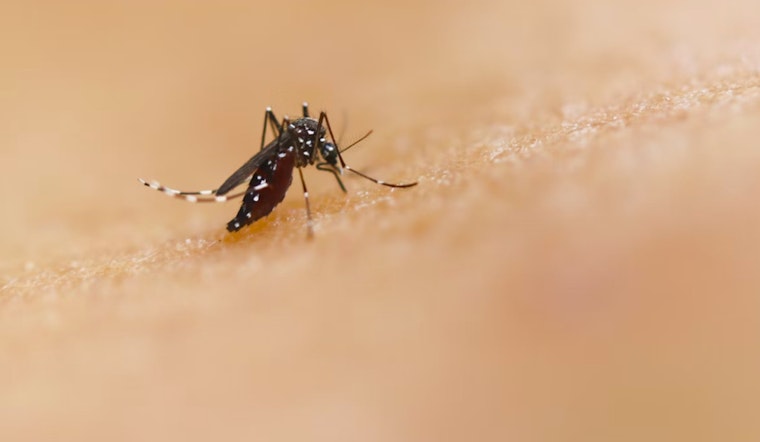
The Hawai'i Department of Health has recently confirmed another travel-related case of dengue virus on Oʻahu, which now accounts for the ninth case in Hawaiʻi this year, a release from the governor's office said. With eight of the infections on Oʻahu and one on Maui, health officials are urging the public to take preventative measures seriously to avoid local transmission. Dengue, primarily a traveler's concern in the state, is not yet endemic, but the potential for it to become locally transmitted is a clear and present worry for health experts.
According to Governor Josh Green, in response to the uptick in cases, the DOH is steadfastly working to further reduce the risk of dengue fever spreading. They have deployed teams to do inspections and to swiftly implement mosquito control measures in the affected areas. The DOH advised in a statement that these efforts are essential in regions with suspected or confirmed cases. As dengue fever is transmitted from person to person by mosquito bites, controlling the mosquito population is key to controlling the spread of the disease.
Mosquitoes are known to need just small amounts of standing water to breed, turning even the most innocuous of containers into potential breeding grounds for these disease carriers. Homeowners are encouraged to pour out any standing water they find, as it can greatly decrease the mosquito population around their living space. Simple steps such as these could be the difference in preventing an outbreak, as emphasized by the DOH in their public health communications.
The DOH also reiterates that anyone planning to travel to or returning from regions where dengue is common should take measures to protect themselves, including using EPA-registered insect repellents, wearing protective clothing, and ensuring proper accommodation. Travelers should also continue to prevent mosquito bites for three weeks after returning, as they might still be at risk of developing symptoms and inadvertently contributing to the spread of dengue within the local community. If symptoms develop, the DOH has a clear message: seek medical evaluation immediately and report any suspected case of dengue infection by calling the Disease Reporting Line.
While most cases of dengue are mild, the disease can cause symptoms such as fever, nausea, and body aches. The Department of Health (DOH) is focusing on mosquito control and educating the public about the symptoms and necessary steps to take if infected. The DOH advises anyone seeking more information on dengue prevention to visit their Disease Outbreak Control Division and Vector Control Branch websites.




