

























































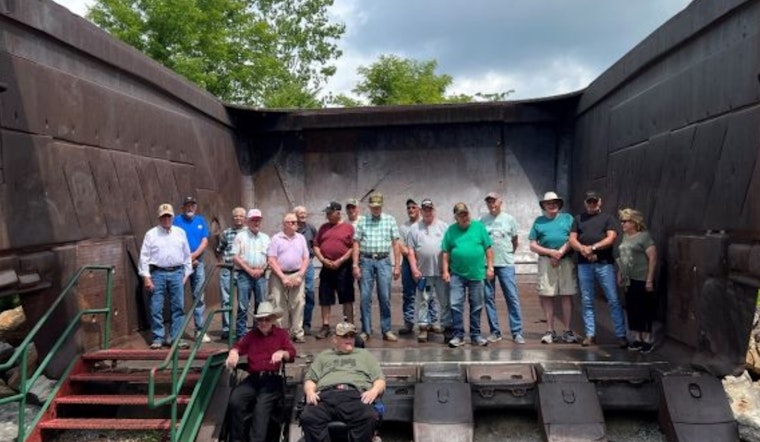
The Ohio Department of Natural Resources (ODNR) took a step back into the monumental past of coal mining by unveiling a historical marker at Jesse Owens State Park, paying homage to the Big Muskie. For those not in the know, Big Muskie was the world's largest walking dragline, boasting a weight of 27-million pounds and an appetite for 325 tons of earth per scoop. This engineering juggernaut was introduced by the Central Ohio Coal Company back on May 22, 1969, at a time when America's industrial prowess was reaching new towering heights.
"Big Muskie wasn’t just a machine, it was a symbol of American industry, ambition, and the evolution of energy production," ODNR Director Mary Mertz stated in a news release. A sentiment reflecting an era where efficiency trumped all, and Big Muskie was king of the strip mining realm. It was a spectacle of productivity with crews working non-stop to extract up to a million tons of coal each year from Ohio’s terrain. However, the giant's reign was not to last forever. Amendments to the Clean Air Act in 1990 struck a major blow to the demand for high-sulfur coal, leading to its eventual retirement and dismantling in 1999.
Today, what remains of Big Muskie is an iconic artifact—a 220-cubic-yard bucket, resting at Miner’s Memorial Park as a sole reminder of the machine's past might. This historical marker not only acknowledges Big Muskie's stamp on mining but also serves as a testament to environmental progression. The land that once felt the heavy tread of the Muskie's operations has been transformed into part of The Wilds, a sprawling wildlife conservation hub heralding ecological rejuvenation.
The marker itself details coal's deep historical roots, stretching back to its discovery in 1748, and shines a light on Ohio’s adaptability through centuries of mining transitions. It underscores ODNR's pivotal role in the regulation and restoration of mine lands while ensuring the continued protection of natural resources. For a deep dive into Ohio's rich mining heritage or information about Jesse Owens State Park, interested folks can visit the ODNR website, which offers ample details about the park's features and the state of Ohio’s regulation endeavors, according to the news release from June 11.
While Big Muskie's shadow no longer stretches across Ohio's landscape, its legacy endures, captured in a marker that invites reflection on the past and contemplation of our environmental future. ODNR's unveiling connects us with a chapter of industrial behemoths and reminds us that even the mightiest of machines can give way to a story of conservation and balance. Truly, Big Muskie's story is not just one of past glory but is a narrative thread in the state's ongoing commitment to responsibly shepherding its natural wealth.





