

























































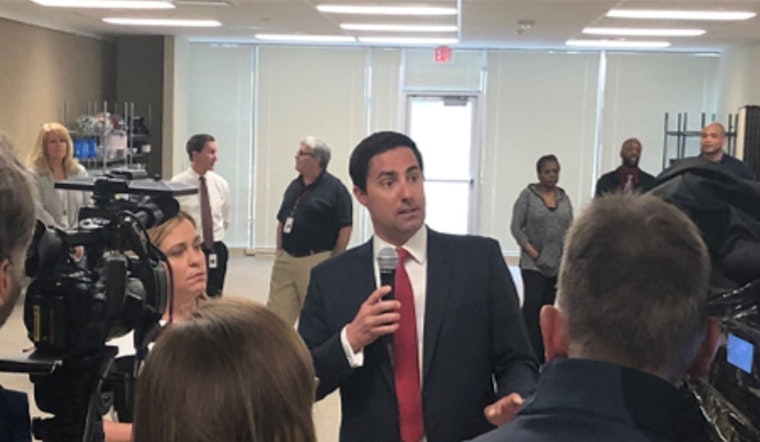
Ohio's Secretary of State Frank LaRose has made headlines again for his staunch defense of election integrity, this time referring cases of alleged fraud about noncitizen registration and double-voting to various state attorneys for potential legal action. According to a recent statement, LaRose's office, through its Election Integrity Unit, identified thirty instances of noncitizens registering to vote and eleven individuals voting in multiple jurisdictions across various states, including Virginia, Arizona, Colorado, and the District of Columbia.
The Secretary's ongoing efforts are not without their critics, who might argue the infrequency of these incidents belies the urgency of the response. Yet, LaRose stands firm in his belief that even a single case of election misconduct could jeopardize the will of the people, once declaring in a letter obtained by his own office's press release, “Even one illegal vote can spoil the outcome of an election for the citizenry at large, whether it be a school levy, majority control of a legislative chamber, or even a statewide election contest.”
To streamline and enhance Ohio's capacity to manage and monitor election-related concerns, the office inaugurated the Public Integrity Division back in 2022, which has taken over investigations into various voting associated operations — an initiative supported by the General Assembly moving to establish the division's Election Integrity Unit as a permanent office fixture.
This commitment to methodically scrutinizing the electoral process isn't new for LaRose, whose office has referred hundreds of cases to county prosecutors since his tenure began in 2019. While emphasizing the ongoing nature of these investigations, LaRose seems to be setting a benchmark for other states Secretary LaRose asserts that a steadfast approach to upholding law and order within the electoral system is paramount — per his statement, "If we intend to give Ohioans absolute confidence in the integrity of our elections, we must have zero tolerance for misconduct." — culminating in what could be considered a proactive, if not a preemptive mission to safeguard democratic processes.





