

























































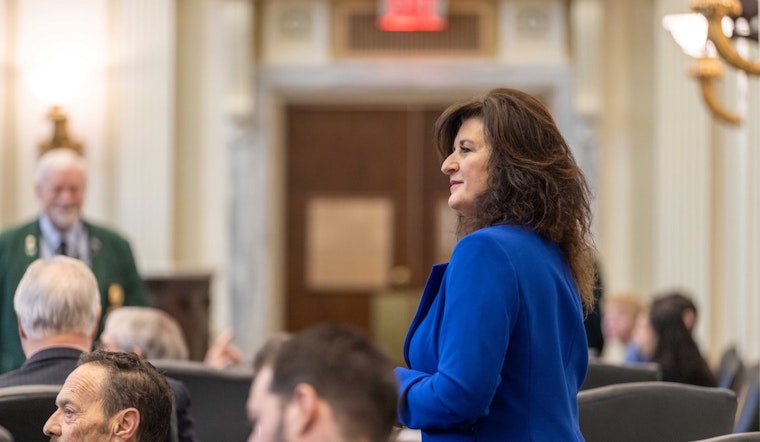
When the vote count lands on a dead-even split in Oklahoma, the fate of the election will no longer seem like an indifferent roll of dice. A new legislation, House Bill 1678, has emerged to combat the idiosyncrasies of tied elections, infusing them with a dose of transparency. The bill, forwarded by Rep. Tammy Townley, R-Ardmore, has navigated the legislative waters and has docked safely on the statute books, albeit without the flourish of the governor's pen. According to a state House dispatch, the bill pivots from the initial plea for mandatory runoffs in tie cases to refining the current practice of determining outcomes by lot.
While the random drawing method remains, procedures now will be bound by clear notification processes, uniform materials, and a codified system to ensure the drawing is held in the light of the public eye. "Even though it's not exactly what we wanted in the end, it will be better for drawing up the rules," Townley articulated in a statement in the Oklahoma House of Representatives. The lawmaker, spurred to act after a 2024 primary tie was settled by such a drawing in Carter County, sees the bill as a "step in the right direction" for the crystallization of these procedures. The interview was obtained by the Oklahoma House media services.
HB1678 is not a mere procedural footnote; it is a commitment, a legislative acknowledgment that every vote bears an intrinsic weight, that even in the most statistically improbable occurrences, such as election ties, the scales of justice and democracy require careful calibration. "People should feel confident that even in rare cases like a tie, our system is consistent and fair," Townley conveyed in the Oklahoma House of Representatives, underscoring the significance of robust democratic processes.
The provisions of HB1678 are timed with the careful choreography of a ballerina, set to pirouette into action from November 1.



