

























































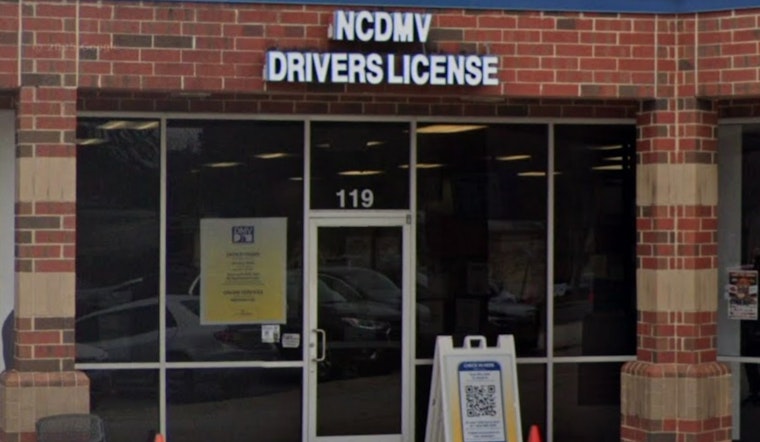
The North Carolina Office of the State Auditor has released some early findings from a performance audit of the N.C. Division of Motor Vehicles (DMV). It reveals that the DMV is struggling with staffing, which is having a ripple effect on customer service. The preliminary results suggest a pressing need for additional Driver License Examiners to reduce long wait times at license offices throughout the state. State Auditor Dave Boliek underscores the necessity for flexibility in personnel rules, which could help the DMV hire and retain staff more effectively. "Our data-driven analysis indicates that current DMV workforce levels are insufficient to meet the needs of North Carolinians," Boliek stated in a press release from the Office of the State Auditor.
Key highlights from the preliminary audit include the 68% vacancy rate for the DMV's 142 temporary examiner positions and a call for flexibility in converting temporary roles to permanent positions. In fact, such conversions would benefit from pay scale adjustments to better align with local labor markets. Boliek has shared these initial observations with Gov. Stein and other state leaders in the hope of prompting swift action amidst current budget negotiations.
According to the audit, the use of temporary positions by the DMV has led to various challenges, including difficulties in hiring, fewer benefits for workers, and increased training costs due to high turnover rates. Implementing effective hiring strategies and retaining staff could also help fill the many vacancies currently plaguing the DMV's operations.
Without significant improvements in DMV staffing, the auditor's pre-release findings caution that citizens of North Carolina are likely to continue facing delays and the prospect of making multiple visits to obtain driver licenses. The final audit report is expected to shed even more light on where additional personnel could most effectively reduce bottlenecks. The Office of the State Auditor has indicated the full report will soon undergo a quality control process, in compliance with Generally Accepted Government Auditing Standards, before being shared with responsible parties.





