

























































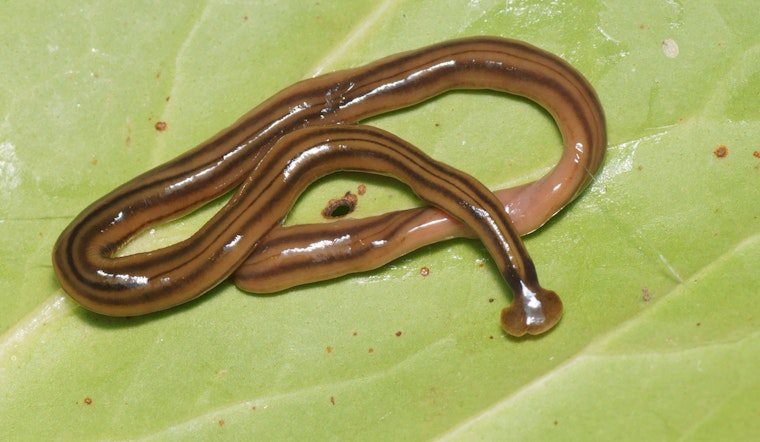
Residents in Texas are grappling with a resurgence of hammerhead flatworms, an invasive species that poses a threat to local ecosystems and can be hazardous to human and animal health. As reported by CW39, these creatures have made their appearance known in the aftermath of heavy rainfall, finding the conditions ideal to thrive in the Lone Star State's humid climate.
Hammerhead flatworms, bearing curved heads similar to their marine namesake, can reach lengths of up to 15 inches and should be avoided due to their toxic nature. Upon contact, it can result in skin irritation or allergic reactions; it's vital not to handle them without proper protection. CW39 advises against touching them with bare hands and recommends using gloves and a bag with salt or vinegar to safely dispose of them. If pets interact with these flatworms, immediate veterinary care is necessary.
The prominence of these toxic flatworms is certainly of concern, particularly given their detrimental effect on the soil's health. According to The Houston Chronicle, these creatures consume earthworms, which are vital for soil aeration and decomposition, thereby disrupting the natural balance of the ecosystem. With origins tracing back to Southeast Asia, the Texas Invasive Species Institute identifies Beaumont in the 1980s as the location of the first sighting of the species in Texas.
When encountering a hammerhead flatworm, citizens are urged not to crush or sever them, because these actions may inadvertently propagate their numbers due to their ability to reproduce asexually, meaning if one's cut it will create more worms, thereby exacerbating the problem. The CW39 report underscores the importance of individual handling over large-scale property treatments to avoid damaging other beneficial organisms and vegetation. Reporting sightings to the Texas Invasive Species Institute or TexasInvasives.org is also encouraged for tracking and research purposes.





_-_Bipalium_kewense.png)