

























































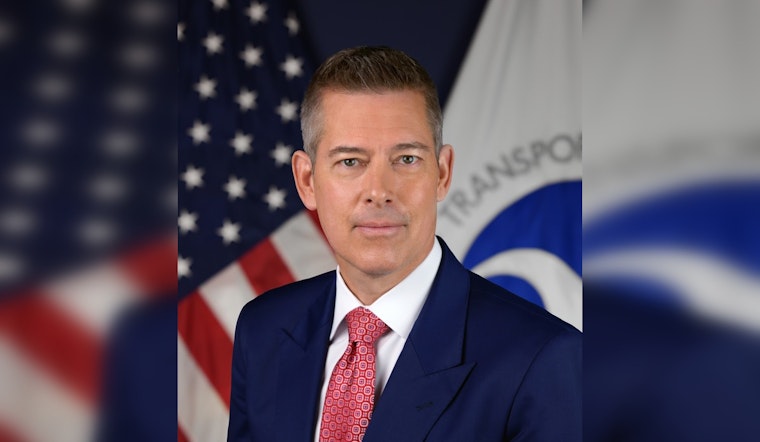
In a recent shake-up following January's tragic midair collision over the DCA, U.S. Transportation Secretary Sean P. Duffy backed an independent audit into the National Capital Region's airspace management and safety protocols. Duffy stated, "Sixty-seven lives were lost on the evening of January 29 near Ronald Reagan Washington National Airport", affirming the necessary scrutiny in a statement published by the Department of Transportation.
The Federal Aviation Administration (FAA), taking the incident's gravity to heart, has already begun implementing key safety improvements. Permanently restricting non-essential helicopter operations around DCA and rescinding the authority to operate without broadcasting an ADS-B out signal form the crux of the safety measures. Duffy also emphasized the Senate leaders' bipartisan appeal that triggered the audit, which pulls into question the 85 near misses preceding the crash, in a statement obtained by the Department of Transportation.
Additionally, the FAA has closed Route 4 from Hains Point to the Wilson Bridge and is considering alternate helicopter paths. Adding to that, a halt on operations at the Pentagon Heliport will remain until significant safety and coordination are tackled. Duffy commended this direction, and the DOT expressed its unified support for the audit, striving to secure a flawlessly safe airspace within the National Capital Region.
In their concerted efforts to prevent a future tragedy, the FAA has further bolstered safety by widening the lateral margins of helicopter paths and upping staff numbers at DCA. A Safety Risk Management Panel has also been established to deal with identified risks, aiming for a total recalibration of aviation safety standards. All these measures mirror the persistent commitment of DOT and FAA leadership, which Duffy reiterated in the same Department of Transportation publication, ensuring the public that maintaining a secure airspace remains a priority.




