

























































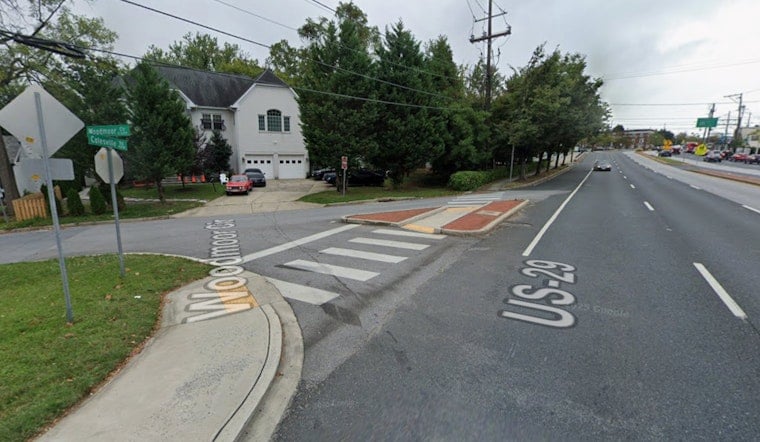
A Metrobus driver was slapped and punched multiple times by a rider near Colesville Road and Woodmoor Circle in Silver Spring after quoting the $2.25 fare and telling the man he couldn't bring an open alcoholic beverage onto the bus. The attack happened while the bus was still moving, and Metro Transit Police are now searching for the suspect.
According to NBC4 Washington, the operator told the rider he could not bring the open container on board, then asked him to step behind the yellow line and pay the fare. The suspect responded by slapping the driver and then punching him multiple times. The operator was treated for non-life-threatening injuries, per the outlet's report.
A Policy Reversal Under Fire
The confrontation lands squarely in the middle of a fight between Metro leadership and the union representing its bus operators over fare enforcement. In May, Metro reinstated its policy requiring bus operators to quote fares to riders, a move the transit agency tied to reports that roughly 70% of Metrobus riders were not paying, according to WTOP News.
ATU Local 689 had warned Metro's Board of Directors against the change before it took effect. In a formal letter, the union noted that a similar fare-quoting policy was largely phased out around 2017 because fare disputes were a leading driver of assaults on operators, according to PoPville. The union believes the reinstated policy could lead to more assaults like the one in Silver Spring.
Raymond Jackson, president of ATU Local 689, said bus operators try to help riders with directions but otherwise attempt to avoid conversations that could escalate. Jackson said the more he looks into the situation, the angrier he gets.
GM's Past Comments Add to the Dispute
The union has also pointed to WMATA General Manager Randy Clarke's own past comments as evidence the reversal was ill-advised. In an October 2024 appearance on WAMU's Politics Hour, Clarke said bus drivers had been instructed not to engage passengers over fare evasion because doing so was not worth the potential physical harm, a quote ATU Local 689 has cited in its criticism of the reinstated policy.
Clarke has since said Metro understands the union's concerns, while maintaining that assaulting or committing any crime against a Metro employee is completely unacceptable. Metro said it is working to ensure operators are safe even as it pushes ahead with fare enforcement.
Shields Only Cover Part of the Fleet
Physical protection for drivers remains uneven across the bus fleet. Metrobuses are 100% enclosed, while the rest of the fleet is only about 85% enclosed, and Metro says it already has a contract in place to finish installing the remaining bus operator shields. The agency has invested more than $15 million in those shields to date.
The gap in protective barriers echoes a broader national push. On August 5, U.S. senators introduced the Bus Operator Safety and Security Act, which would mandate fully enclosed protective barriers for driver workstations on newly purchased, federally funded fixed-route buses, according to SMART Union. A May report from the Mineta Transportation Institute found a sharp rise in physical attacks against transit workers across North America, identifying bus operators as the most frequent victims and noting that solo operators enforcing rules face elevated risk, as detailed by Metro Magazine.
Metro Points to Falling Crime Numbers
Metro leaders have touted reductions in crime across the system even as this incident drew scrutiny. The agency said crime data shows drops across Metrorail, Metrobuses and Metro parking lots over the past 12 months. WMATA reported that assaults on Metro employees systemwide fell 22% during fiscal year 2026, alongside a 14% drop in overall violent crime across rail and bus networks, per a report from WTOP News.
That followed an earlier trend: in January, Metro reported that criminal incidents aboard Metrobuses had fallen nearly 40% in calendar year 2025 compared to the year before, attributing the decline to increased police patrols and more than 400 rider bans for violent or disruptive behavior, according to FOX 5 DC.
What Could Happen to the Suspect
Under Maryland law, assaulting a public transportation worker performing official duties and causing physical injury qualifies as second-degree assault, a charge that carries up to 10 years in prison and fines as high as $2,500, per Maryland's criminal code. Separately, Maryland transportation rules bar riders from carrying open beverage containers or consuming food and drink aboard public transit vehicles, the legal basis cited for the operator's warning about the open alcohol.
Maryland Transit Administration rules updated in October 2025 also allow transit authorities to temporarily or permanently ban people who assault transit employees from riding the system altogether, classifying such assaults as bannable offenses under the state's Rules of the Ride code of conduct. Metro Transit Police have not announced an arrest, and the search for the suspect seen assaulting the driver continues.
The Silver Spring assault follows other recent violence aboard the region's transit network, including an April stabbing on a Metrobus near Union Station that also raised alarms about operator and rider safety.





