

























































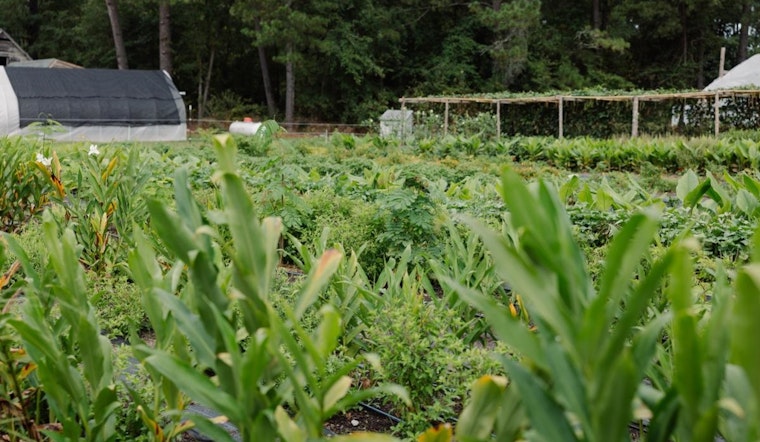
Wake County is calling upon its community to steer the direction of local agricultural preservation through a public survey on the future of farming in the area. This outreach is a response to both increasing developmental pressures and a proactive measure to sustain the rich tradition of farming in the county. According to an announcement on the Wake County website, the initiative seeks to update the Farmland Preservation Program, which since its inception in 2022, has permanently conserved 342 acres and six farms.
“We’re developing the Farmland Protection Plan to help keep local farms in our community and ensure family farmers have the support they need,” Wake County Commissioner Vickie Adamson, was quoted in the Wake County's announcement. The plan aims to provide a comprehensive outlook on agricultural activity, pinpointing the hurdles that local farmers confront and the most effective methods to safeguard farmland for the lineage of upcoming generations.
Since the approval of the Wake County Farmland Preservation Program Ordinance, preservation strategies have evolved to include conservation easements, funding programs, and avenues for bridging the gap between seasoned and novice farmers. A focused team of county staff, cultivators, and conservation enthusiasts will be at the helm of sculpting this plan, promising that devised strategies will be grounded in practical knowledge and genuine concern for sustainable agricultural futures. Of particular note is the data from the 2022 Census of Agriculture, which saw the county's farmland diminish by 14,685 acres—a 19% drop—since 2017. Concurrently, the average farm size declined and land values escalated sharply, intensifying the impetus to develop farmland.
Financial insight from a 2024 study underscores the fiscal prudence of farmland: for every tax dollar stemming from farms, only 24 cents is expended on services, a stark contrast to the $1.09 spent per dollar of residential properties taxes. This implies that farmland yields a fiscal surplus that helps cushion against the expenses wrought by residential development—$5.7 million to be exact, offering a buffer to the $86.7 million incurred from accommodating residential sprawl. Such fiscal realities offer a compelling argument for the county's historical commitment to farmland conservation, which dates back to the seminal Voluntary Agricultural District Program of 2001 and has continued through various plans aiming to secure rural spaces and livelihoods.
The county's dedication to this cause now hinges on the participation and sentiment of its residents. Input from locals who appreciate the value and necessity of nearby farming is not just welcomed but deemed essential. The survey is available through the end of July, setting a stage for the community at large to play a participatory role in the agricultural legacy of Wake County. To participate in defining the future landscape of local agriculture, residents can access the survey via Wake County's official announcement.





