

























































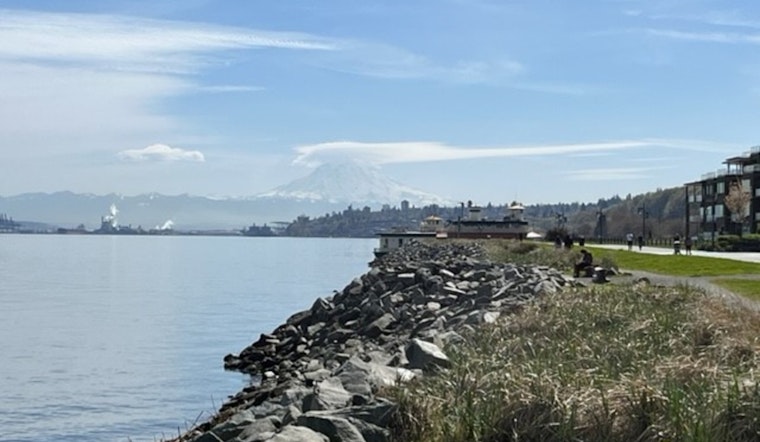
As Puget Sound grapples with the ever-present threat of nutrient pollution, the Washington Department of Ecology steps forward with a proposal meant to update permits governing the discharge of nutrients, particularly nitrogen, from 58 wastewater treatment plants pouring into the sound, according to an announcement made by the agency. Unlike the original mandate, under these new proposed terms, plants have the option to either join the general permit ranks or continue abiding by their individually assigned wastewater discharge permissions.
This pivot comes on the heels of a ruling by the state's Pollution Control Hearings Board in February 2025, which declared that the mandatory nature of the original general permit, issued back in 2021, stood beyond Ecology's authority considering the plants' existing permits, the new proposal aims to retain the original goal of lessening nutrient loads entering the sound and "provides the path for more flexibility, more coordinated funding, and the potential for nutrient trading in the future," said David Giglio, manager of Ecology’s water quality program, in a statement released by the Department of Ecology's news section. As a result, plants now face a choice between the old and the new; they can opt into the general permit or hold onto their individual permits, which will see nitrogen control requirements folded in.
The general permit initiative traces its roots back to a comprehensive public process that kicked off in 2019, its emphasis was on refining a strategy to cut down the nitrogen spewed into Puget Sound, a nutrient that doesn't originate from the treatment plants themselves but from the myriad of homes and businesses they serve; the 2021 establishment of the general permit then carved a route for plants to modernize operations while embracing nitrogen control technologies over the next 15-20 years, which now, under the general permit, could take on a more flexible approach, allowing communities with multiple wastewater facilities to be more strategic and cost-effective about their investments.
Aside from this opt-in clause, Ecology is also proposing to tweak reporting deadlines for the facilities and integrate language clarified by a 2025 U.S. Supreme Court ruling, ensuring that plants under the general permit are exclusively accountable for the discharge quality, not the receiving waters, the department plans to roll out these revisions later in summer 2025, opening the door for opt-ins come fall, for those opting to stick with their individual permits, updates will be scheduled based on various prioritizing factors, in the midst of these changes, the Legislature has extended a financial lifeline with a $10 million budget allocation in May to keep the Puget Sound Nutrient Control Grant program afloat. "Controlling nutrient pollution from municipal wastewater treatment plants is critical to our success in restoring Puget Sound and recovering salmon populations," Giglio underscored the significance of the funding boost.
Woven into this regulatory tapestry is the public's voice, with Ecology welcoming comments on the reissuance from June 18 to July 25, 2025; details for review can be found on their Puget Sound Nutrient General Permit webpage. Comments can be submitted online or via mail, with a guide available on the webpage for those wishing to contribute. Interested parties are encouraged to register for the upcoming virtual workshops and public hearings, one of which is on July 1 and includes a presentation and Q&A session, while the other on July 22 will be a public hearing granting space for formal public commentary following a similar format. Additional information, including a video on nutrient pollution and details about the Draft Puget Sound Nutrient Reduction Plan, can also be found through the same webpage.





