

























































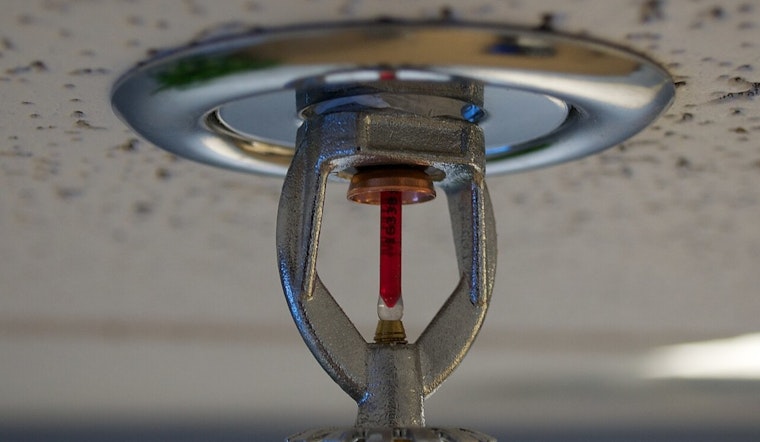
The urgency of deploying home fire sprinklers has been underscored by the State Fire Marshal’s Office (SFMO), citing the role of these systems in significantly improving residential fire safety. According to the National Fire Protection Association (NFPA), installations of home fire sprinklers can slash the likelihood of fire-related deaths by up to 90 percent, while simultaneously curbing property damage. In a testament to their efficacy, Washington State witnessed zero fatalities in 2024 related to fires in sprinkler-equipped buildings.
With cities like Olympia and Redmond pioneering the march towards enhanced safety by mandating sprinklers in new single-family homes, the SFMO continues to vocally advocate for the adoption of these systems. Sprinklers are designed to spring into action individually, isolating and dousing the fire in a localized area to minimize water-induced havoc. Whether seamlessly incorporated into new constructions or retrofitted to standing structures, maintenance routines like monthly inspections and annual professional tune-ups are encouraged to ensure their proper functioning. For those pondering a retrofit, the Home Fire Sprinkler Coalition stands ready to offer extensive guidance, complete with guidebooks and video tutorship.
The manifold advantages of slotting home fire sprinklers into domestic safety procedures are not lost on the SFMO. "Life Safety: Reduce the risk of fire-related deaths by up to 89%," the SFMO notes, as reported by the Washington State Patrol, while also pointing to the benefits of "Property Protection: Limit fire damage, often containing fires with just one or two sprinkler activations." These systems not only edge out traditional firefighting methods by using less water but also lay claim to being cost-effective, running homeowners an average of around $1.35 per square foot in new builds. To sweeten the pot, many insurers render premium discounts to homes equipped with these systems.
The environmental payoff of this technology has not gone unnoticed, with the SFMO extolling its capacity to "Use significantly less water than fire department hoses, reducing water damage and runoff," as per a report by the Washington State Patrol.





