

























































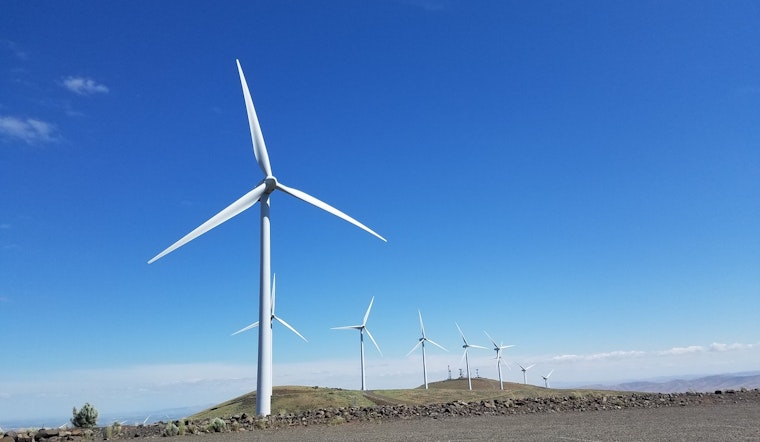
The Washington Department of Ecology is lighting the way for renewable energy advancement with the release of three environmental studies that pave the path for the development of large-scale clean energy projects across the state, including onshore wind and solar facilities, and burgeoning green hydrogen production paired with battery energy storage plants. Pulling from the collaborative efforts of state agencies, energy developers, Tribes, and various concerned parties, these studies are laying down the groundwork for a more efficient approach toward the siting and permitting of these future power stations.
Following legislation enacted back in 2023 which sought to streamline the clean energy project processes, these reports provided by Ecology are meant to give permitting authorities along with local and state regulators, Tribes, and the public a significant edge when it comes to evaluating new clean energy proposals, the studies encompass the probable significant impacts and offer ways to mitigate them enabling key decision-makers to concentrate on the particulars of each distinctive project; however, it is essential to note that these statewide assessments do not seek to make definitive decisions on whether a particular project should proceed nor do they intend to supplant local permitting control. In a strategic move, Ecology has also devised a toolkit to assist both developers and regulators in spotting potential issues and public concerns well before any formal project application is submitted.
"Washington already has one of the cleanest energy grids in the nation," Ecology Director Casey Sixkiller said, "But we need to continue expanding that clean energy capacity to meet future needs and reduce carbon pollution. These new environmental reviews will help us do that, while also working to respect Tribal rights, protect the environment, and honor community input and interests," in a statement made by the Department of Ecology. Sixkiller emphasized the importance of balancing growth in clean energy with the preservation of both Tribal rights and the environment.
As mandated by state law, Washington aims to slash greenhouse gas emissions by 95% by 2050, a target that necessitates a shift from fossil fuels to renewable energy. Work toward this goal is underscored by Ecology's Clean Energy Coordination Team and its development of a new, optional coordinated permitting process designed to enhance the efficiency and consistency of project reviews and permits. In a collective effort, Ecology, alongside the Washington Department of Commerce, spearheads a 13-agency conglomerate known as the Clean Energy Siting Council, its focus geared toward refining the process involved in the planning, siting, and permitting of future clean energy endeavors.





