

























































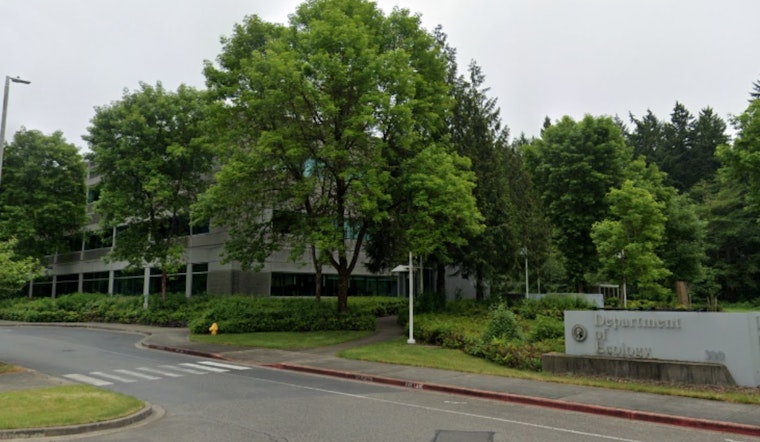
The growing thirst for new developments and expanding communities in western Washington has prompted state environmental officials to draft new rules designed to balance the region's growth with the preservation of vital water resources. These rules are expected to secure the flow of water required for fish habitats while supporting the spread of construction and domestic wells. According to the Washington Department of Ecology, which released details of the proposed regulations on Monday, the initiative is a critical step in complying with the 2018 Streamflow Restoration Act. This act has already seen ten out of fifteen watersheds develop strategies to mitigate the environmental footprint of urban growth.
The remaining five watersheds are now set to tailor their policies, aiming to incorporate vital Watershed Restoration Plans while adhering strictly to state mandates. Ecology is tasked with the complex duty to not only define but also enforce these rules within a swift two-year deadline. In their public announcement, the Department of Ecology conveyed that the rulemaking process "marks the culmination of six years of work and collaboration to help develop watershed restoration plans that identify restoration projects to offset impacts to ground water from permit-exempt wells."
The crux of the dilemma lies in finding the delicate equilibrium where the needs of a burgeoning human population do not trample over the needs of the region's aquatic life. Ecology's approach seeks to ensure that as the built environment swells across these once-idyllic rural landscapes, the water remains accessible for the streams and the ecosystems they nurture. The efforts to protect these waterways and their residents have been ongoing and extensive, with several agencies pulling together to find a viable path forward.
However, the department has clarified that the scope of the rulemaking is not going to extend to amending current instream flow rules or basin closure limits. This stringent boundary has its implications, pressing the department to find solutions within existing frameworks. In their statement, the Department of Ecology highlighted, "The rulemaking must be within two years, as required by state law. With this limited timeframe, Ecology is not exploring amending instream flow rules or basin closure limits with this rulemaking."





