

























































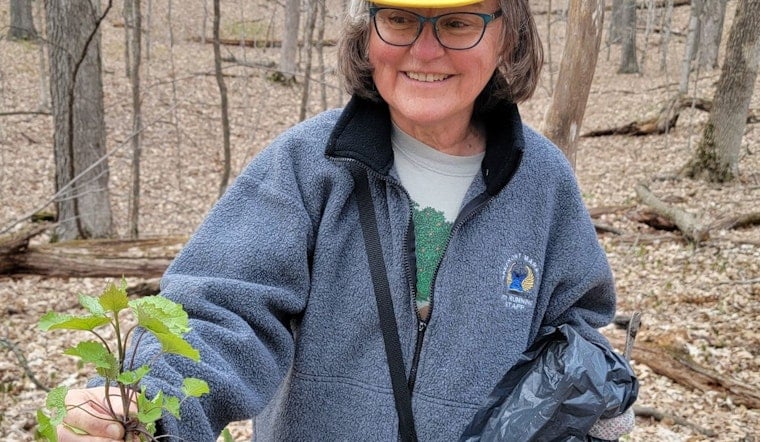
The Wisconsin Department of Natural Resources (DNR) is rallying troops - not for war, but for the environment, in their latest call to arms against invaders of the non-human kind. As June rolls in with its summer breeze, it's also bringing with it a less welcome guest: Invasive Species Action Month, a time when Wisconsinites are urged to hunker down and take part in the battle against nonnative flora and fauna wreaking havoc across the state.
According to a DNR statement, these invasive species range from unwelcome plants to animals and diseases, and they're not only a nuisance—they're a substantial threat to both local ecosystems and human health, therefore, it's a serious problem. The state is under attack by a list of invasive characters, some being quite widespread and others waiting like sleeper agents for their chance to take root and potentially transform Wisconsin's landscapes—unless the DNR and public intervention keeps them at bay.
In an effort to stop these invaders from spreading, the DNR's regulations strictly prohibit the transfer, introduction, and even possession of certain unwanted species without a permit. Species are categorized into "Restricted" or "Prohibited," a designation based on several factors such as how much damage they could cause, their current presence in the state, the likelihood of controlling them, and any benefits they might provide socioeconomically, the DNR explains on its website.
The DNR isn't just pointing fingers and naming names—they're offering clear guidance on how everyone can join the fray, stay on marked paths when enjoying Wisconsin's great outdoors, mind your firewood sources, and make sure your fishing and boating gear is as clean as a whistle after each outing. For the agricultural warriors among us, they propose a green thumbs up to native and non-invasive plants and a stern weeding out of the problematic posies such as Bishop’s goutweed and Dame’s rocket. They're also reaching out to the community, rallying volunteers and spreading the word through workshops and educational events slated for June 21 and 22, aiming to make this year's Invasive Species Awareness Weekend a landmark in the ongoing environmental campaign.



