

























































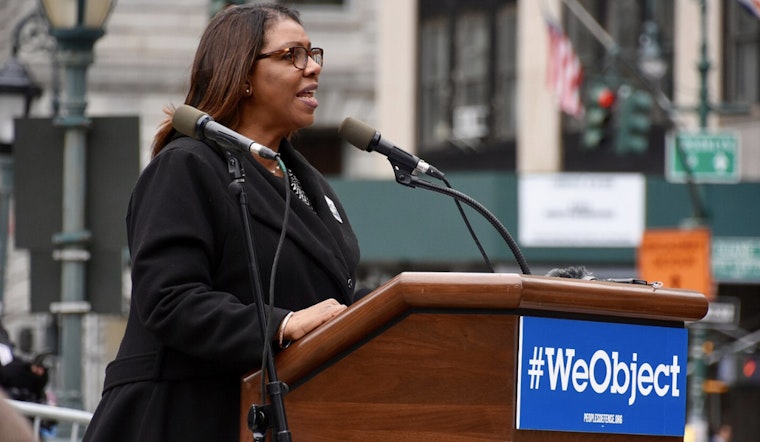
Attorney General Letitia James has banded together with officials from 19 states to file a lawsuit against the Trump administration for its move to cut funding from the Federal Emergency Management Agency's (FEMA) Building Resilient Infrastructure and Communities (BRIC) program. According to a press release from the Attorney General's Office, this decision could put "millions of New Yorkers at risk" and has led to an outpouring of concern from across the country.
This litigation comes after the administration allegedly made moves to unlawfully terminate the program earlier this year, a decision that threatens to negatively impact infrastructure projects designed to protect communities from the devastation of natural disasters. BRIC has historically been critical in funding improvements to roads, floodwalls, and other essential facets of local safety nets. Despite bipartisan support and its long-standing efficacy, FEMA has been accused of diverting over $4 billion from the BRIC pre-disaster mitigation fund directly into funds earmarked for post-disaster grants. "This administration has no authority to cut this program that has helped save countless lives," James stated, as reported by the Attorney General's Office.
The BRIC initiative, started in the 1990s, has played a pivotal role in supporting disaster preparedness, allocating billions to help mitigate the impact of calamities before they happen. In New York alone, the program has supported over 38 projects with more than $380 million in funding. Among these, the Central Harlem Cloudburst Flood Mitigation Project stands to build defenses for over 45,000 residents at risk of flash flooding. Studies have indicated that every dollar invested in the program has yielded a $6 return in mitigated post-disaster costs, making its abrupt termination all the more concerning for communities that rely heavily on its support.
Officials supporting the lawsuit contend that the sudden cutting of BRIC funding is both unconstitutional and illegal. They argue FEMA's mission as outlined by Congress includes disaster preparedness and that the executive branch has no right to alter such mission or to reduce FEMA’s ability to carry out its mandates unless the law is changed. Furthermore, James and her fellow litigants are seeking preliminary and permanent injunctions to not only halt the administration from reallocating BRIC funds elsewhere but also to compel the resumption of these vital funds to their intended recipients. Joining New York in this legal battle are states such as California, Colorado, Illinois, and Maryland, among others, as well as the governor of Pennsylvania, united in what seems to be a staunch defense of their communities’ ongoing safety efforts.





.jpg)