

























































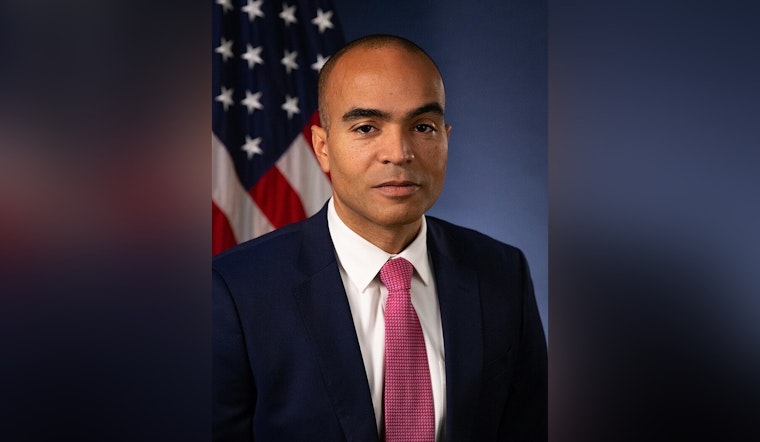
Attorney General Nick Brown has joined forces with counterparts in 20 other states to challenge demands by the U.S. Department of Agriculture (USDA) that states hand over personal data on millions of Supplemental Nutrition Assistance Program (SNAP) recipients, as reported by the Washington State Attorney General's office. The lawsuit, filed today, asserts that the USDA's request for sensitive information, including social security numbers and addresses, oversteps federal privacy laws, the limits of the USDA's statutory authority, and constitutional grounds.
Washington state could face significant financial challenges if it does not comply with federal demands to share personal data on Supplemental Nutrition Assistance Program (SNAP) recipients. The Trump administration has indicated it may withhold SNAP administrative funding, which provides approximately $129.5 million annually to run the program in the state. Attorney General Nick Brown, speaking on behalf of Washington and the coalition of states opposing the data request, expressed concerns about the impact on privacy and community well-being, according to a statement from the Washington State Attorney General's office.
The USDA says SNAP has one of the strictest quality control systems in the federal government. However, in May, the USDA asked states to provide detailed data on SNAP recipients from the past five years. This request is different from how things were done before, when states and the federal government worked together without sharing so much personal information. A group of states has filed a lawsuit saying the USDA’s demand breaks privacy laws, ignored public input, and exceeds the USDA’s authority, according to the Washington State Attorney General's office.
Joining Washington in this legal battle are states from coast to coast—including traditionally red Arizona and blue California—which showcases the bipartisan concern over the invasive data requests. It was five years' worth of data that USDA asked the states to produce, data containing intimate details about individuals' lives, touching on over 1.2 million residents in Washington state alone. Arguing that the federal government's justification to "prevent fraud and abuse" contradicts their own findings on the program's efficacy, the coalition has asked the court to declare the demands unlawful and prevent the government from leveraging SNAP funding against the states' compliance, all as detailed in the statement by the Washington State Attorney General's office.
The legal challenge includes a diverse group of attorneys general from states such as Illinois, New York, and Massachusetts, to name a few, joined by the governor of Kentucky. The wide support underscores the significant role SNAP plays in supporting low-income Americans and the program’s long-established expectation of privacy for its recipients. The outcome of this litigation could set a precedent for the handling of confidential information provided to government agencies and the limits of federal overreach into the lives of citizens.





