

























































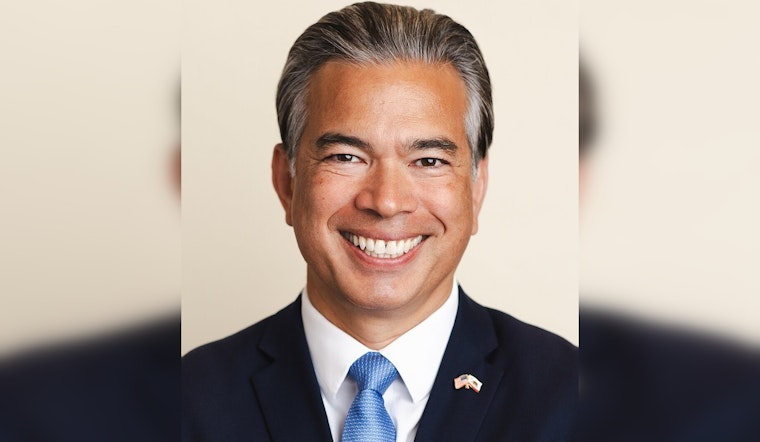
California Attorney General Rob Bonta has taken a firm stand against a proposal by the USDA that would require states to hand over personal information about millions of SNAP participants. The data could then be shared with other federal agencies, a move Bonta and a group of other attorneys general contend is both unnecessary and illegal. As the leader of the coalition, which includes 14 attorneys general, Bonta expressed strong opposition in a recent letter, making clear that their private information, given to the state with the expectation of privacy, should not be repurposed for unrelated activities.
"The Trump Administration continues to wage war on some of the most vulnerable members of our communities, deploying invasive and unlawful tactics in the process to intimidate them from accessing services to which they are lawfully entitled," Bonta was quoted as saying, in a statement obtained by the Office of the Attorney General of California. He further vows to "use every tool in the toolbox to push back against any attempts by this administration to upend the rights of Californians." This statement comes on the heels of reports suggesting the federal government, under President Trump, is accumulating vast databases of personal information on American citizens for undisclosed reasons.
According to the USDA's "System of Records Notice," its goal is to leverage data-sharing to identify and correct improper payments within SNAP, yet these efforts may overlook existing measures that maintain program integrity without breaching privacy. The attorneys general emphasized in their letter that current fraud rates within SNAP are low due to robust audits, a point articulated in their collective censure of the USDA’s requests for unprecedented access to sensitive data.
The Paperwork Reduction Act was brought up by the attorneys general to contest USDA's approach, stressing that the government should minimize costs related to the collection and maintenance of information. Federal laws, notably the Privacy Act, along with USDA's own rules, place restrictions on how SNAP data is utilized, restricting it to the program's enforcement. "SNAP exists to fight hunger," the letter concludes, a subtle reminder of the program's fundamental mission cited by the Office of the Attorney General of California, not to serve as a surveillance tool for the government.
Bonta's coalition receiving support from a wide array of states, demonstrates the breadth of concern over privacy rights. The attorneys general from Arizona, Colorado, Connecticut, Illinois, Maryland, Michigan, Minnesota, New Jersey, New Mexico, New York, Oregon, Rhode Island, and Washington all stand alongside California in defiance of the USDA's proposal, indicating the issue's national resonance.





.jpg)