

























































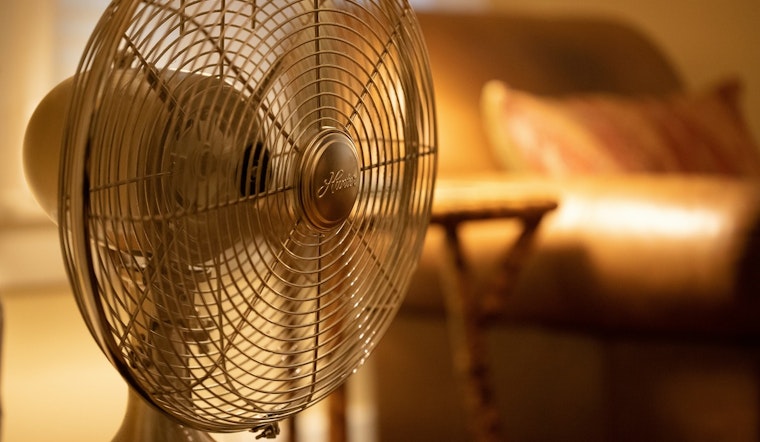
As Charlotte-Mecklenburg continues to swelter under extreme temperatures, local authorities have taken measures to help vulnerable populations keep cool, by providing free box fans and establishing designated cooling stations throughout the area. According to Mecklenburg County's announcement, eligible seniors and adults receiving disability income can collect a complimentary box fan, ensuring a bit of relief from the relentless heat while supplies last; a valid driver's license or state ID is necessary to verify age and residency within the county.
Available through tomorrow, Mecklenburg County has paired up with the City of Charlotte, the Charlotte-Mecklenburg Emergency Management Office, and partners aiding the homeless to monitor the weather, and assist community members especially during these times when the scorched earth seems unrelenting, outreach staff are also actively informing the homeless about cool havens and providing them with water. Charlotte Area Transit System is stepping in by offering free rides to numerous cooling stations, including day services centers like Roof Above and The Relatives: On Ramp for young adults, as well as the Salvation Army Center of Hope catering to women and families with children.
For those seeking a break from the heat, Mecklenburg County has opened several recreation, senior centers, and spraygrounds—open daily and free of charge—from the Ivory/Baker Recreation Center to Veterans Park's sprayground; cooling locations and operation hours are detailed on the county website. For an aquatic escape from the swelter, venues such as the Double Oaks Family Aquatic Center and Ramsey Creek Beach welcome residents to their refreshing waters according to set schedules.
Residents facing a cooling energy crisis can seek aid through the Crisis Intervention Program, which offers financial assistance for overdue or final notices related to their cooling bills, while general inquiries about further utility and rental assistance can be directed to the 211 hotline; Public Health advises limiting outdoor activities, keeping hydrated, and dressing appropriately for the climate to prevent heat-related illnesses. High-risk individuals, including seniors, very young children, and those with certain medical conditions, are urged to be particularly cautious. More information on managing extreme heat is available from the U.S. Centers for Disease Control and Prevention, with resources such as an informative infographic downloadable for community use.



