

























































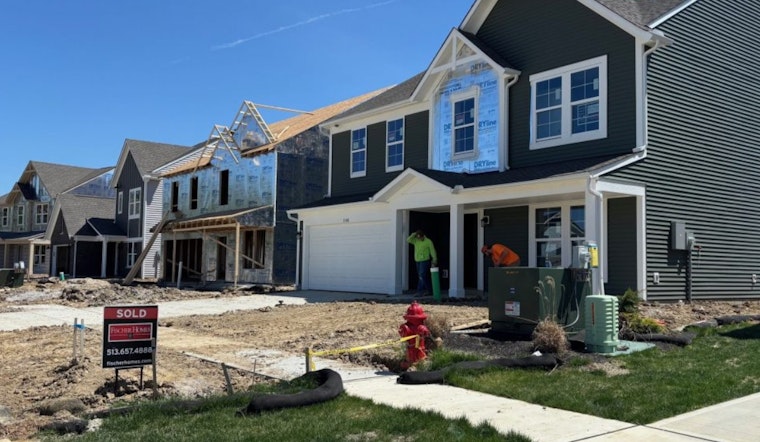
Clermont County, a burgeoning region 30 miles east of Cincinnati, is grappling with housing challenges born from a significant population influx. According to a report presented to county commissioners last Wednesday, shared by Clermont County's website, concerted efforts from various municipal and private entities are imperative to manage this growing concern.
The report, prepared by housing consultant firm Urban Partners, details the county's first comprehensive housing study. It reveals a need for collaborative approaches among the county's 25 villages, townships, and cities to address housing demands effectively. "No single municipality has the capacity or resources to resolve these complex issues alone," Isaac Kwon, principal with Urban Partners, told Clermont County commissioners. He underscored the importance of cross-sector cooperation, including county and local governments, nonprofit organizations, and the private sector, for meaningful progress.
The study's findings show a marked population increase in Clermont County of approximately 18%, with a swelling of nearly 32,000 residents since 2000. The ongoing growth—estimated at 1% annually over the next two decades—has local authorities turning their attention to the housing supply and infrastructure required to sustain these numbers. This upward trend is mirrored in the construction activity across Clermont County, particularly in Union, Miami, and Batavia townships, where a mix of housing developments and apartment complexes are rapidly taking shape.
Data from 2025 indicates building permits are on the rise, with a record-breaking number issued in the first half of the year. With 3,212 permits handed out from January through June, as compared to 2,238 during the same period in the previous year, the urgency for a comprehensive solution becomes starkly apparent. The report, which incorporated quantitative analyses and nearly 1,200 resident surveys, looked at owner-occupied and rental housing stocks, demographic trajectories, job markets, affordability concerns, and conditions within housing sales and the rental sector.
With these insights, Clermont County and its myriad stakeholders are pinpointing actionable strategies to accommodate growth and ensure the availability of housing for all economic segments within the community. The collaborative path forward charted by Urban Partners suggests it’s not merely about matching the pace of expansion but about crafting a coherent, inclusively planned housing ecosystem responsive to the diverse needs of those who call Clermont County home.





