

























































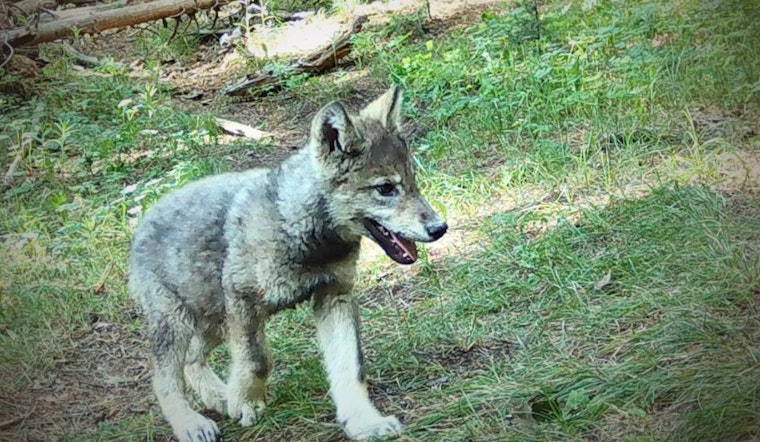
Colorado's efforts towards the rebirth of its wolf population are trotting ahead, as Colorado Parks and Wildlife (CPW) updated the Parks and Wildlife Commission on the current state of its Wolf Program on July 17. According to CPW, Colorado now has three new wolf packs trotting around the state, namely the One Ear Pack, the King Mountain Pack, and the Three Creeks Pack, reported by Colorado Parks and Wildlife. The state's ongoing wolf reintroduction program, which saw its start in 2023, aims not just at increasing numbers but also at managing wolf territories, thereby aiding in conflict minimization strategies, particularly between wolves and livestock producers.
Among the tactics in place, range riding is heralded as a key conflict minimization tool; these riders patrol areas of high wolf activity, shifting as needed to prevent predation on livestock. "These mitigation efforts have required a high level of communication and coordination which has been facilitated by CPW’s staff as well as producers, who are working with us to help minimize wolf and livestock conflict," explained Brian Dreher, Assistant Director of CPW’s Terrestrial Wildlife Branch, as stated by Colorado Parks and Wildlife. CPW's commitment is clear with initiatives like site assessments and carcass removal coordination, even featuring in tough-to-access areas, underlining continued efforts to coexist with the apex predator.
Tragedy hasn't skipped the program with five wolf mortalities raising concerns and forcing introspection about the reintroduction process, but CPW remains determined to push on. Eric Odell, CPW’s Wolf Conservation Program Manager, assured that this mortality rate doesn't derail their efforts, stating, "The mortality that has been experienced by the wolf population this year is not a reason to pause translocation efforts," according to Colorado Parks and Wildlife. Monitoring of both indigenous and translocated wolves continues, with particular interest in reproduction and movements that inform how CPW manages its overall wolf policy.




