

























































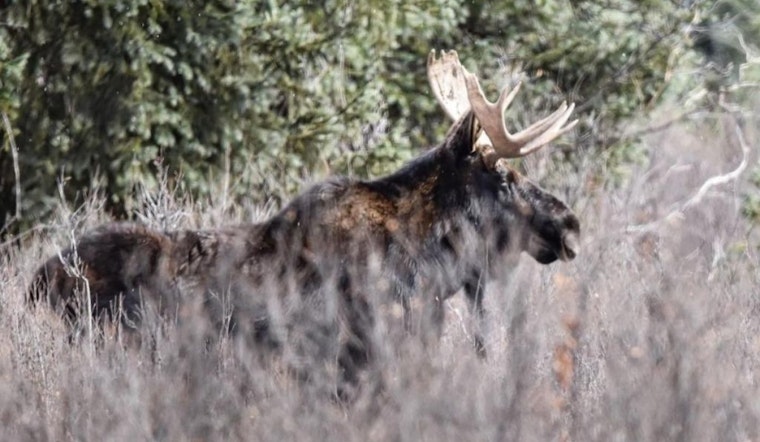
In the ever-evolving world of wildlife management, your opinion now officially matters, if you're quick about it. Colorado Parks and Wildlife (CPW) is all ears, seeking public commentary on its draft Herd Management Plans (HMPs) for moose populations meandering through the Southwest Region. You've got until August 31 to make your voice heard, so better not drag your feet. The mission: balancing the community's diverse interests while ensuring a bright future for the local moose. According to CPW, Senior Wildlife Biologist Jamin Grigg underscored the value of public input in shaping these decade-spanning plans.
These HMPs aren't just bureaucratic bedtime reading; they're critical documents that will nudge the needle on how many moose get to call Colorado home through 2035. We're talking about managing some 650 moose among the state's estimated 3,500. The hefty goal is to drive a carefully calculated allocation of hunting licenses each year, as mentioned by CPW. Describing the decision-making process, Grigg told CPW, “Our Herd Management Plans dictate how our moose in the region will be managed for a 10-year period, so it’s crucial for us to hear if people prefer specific alternatives or if they have management recommendations that differ from those of our biologists.”
Dive into the details of the HMP for Data Analysis Unit M-4, and you'll learn it stretches across a vast swath of southwestern Colorado's wilderness, cradling an estimated 500 moose. CPW's recommended roadmap aims for stability and slight growth while keeping habitats and human-moose interactions in check. Meanwhile, the less charted territory of M-12, spanning several counties, is looking to bump its population from a rough count of 100-150 to a more robust 125-175. With the Taylor River drainage area hitting the moose jackpot in density, CPW expects a continued uptick in moose numbers and distribution.




