

























































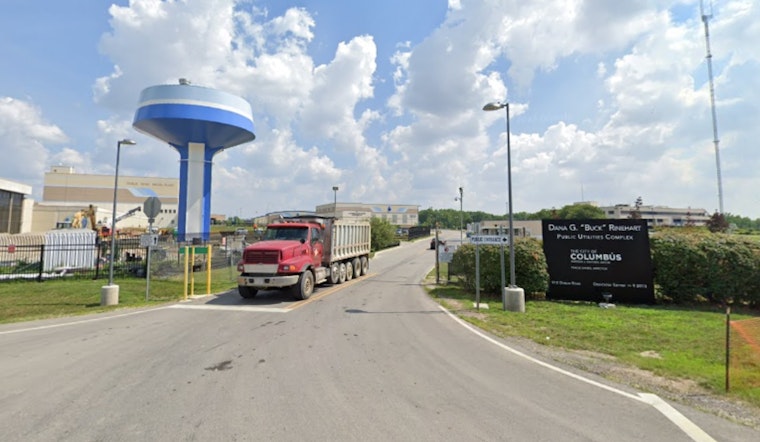
As the world grapples with the complexities of industrial expansion and environmental conservation, the city of Columbus has emerged as a model for managing a critical resource: water. Representatives from leading companies, including Amazon.com, Honda, and General Motors, have recently visited the Midwestern city, seeking insights into its effective water management strategies. During the 2025 Industrial Water Solutions Conference, these industry giants took a tour of the Columbus Water & Power facilities, signaling a growing interest in Columbus's methods of ensuring a reliable water service for its residents.
The importance of such a fact-finding mission cannot be understated in an era where sustainability is increasingly becoming a core consideration for industry leaders. According to a post by City of Columbus - City Hall, the visiting delegates had a firsthand look at the inner workings of Columbus's water supply management. "Industries are taking note of how Columbus manages its water supply," the post articulated, showcasing the city's water infrastructure as a benchmark for large-scale and efficient operations.
The initiative comes at a time when water scarcity and management are at the forefront of global challenges. Columbus's example provides a blueprint that could potentially be replicated in other contexts, adapting to various industrial demands and geo-specific requirements. The industrial participants of the conference are among some of the largest water users, hence, their investment in learning from Columbus is not only practical but also indicative of a shift towards more conscientious resource management.
While details on the specific practices and technologies implemented by Columbus were not disclosed, the interest from major corporations suggests that the city's system stands out in terms of sustainability and reliability. It's a move that could herald a new wave of industrial practices, and simultaneously, it's a nod to the expertise that Columbus Water & Power has cultivated over the years. In an envoy from global industries to this Ohio city, lies the recognition that resource management is indispensable to the future of their operations, not just a cursory aspect of their corporate responsibilities.
It remains to be seen how the lessons learned from Columbus will be integrated into the operations of the visiting companies. Nonetheless, the acknowledgment of Columbus's water management prowess by some of the world's most influential firms is a notable development in the industrial sector, one that underscores the critical intersection of local governance and global industry.




