

























































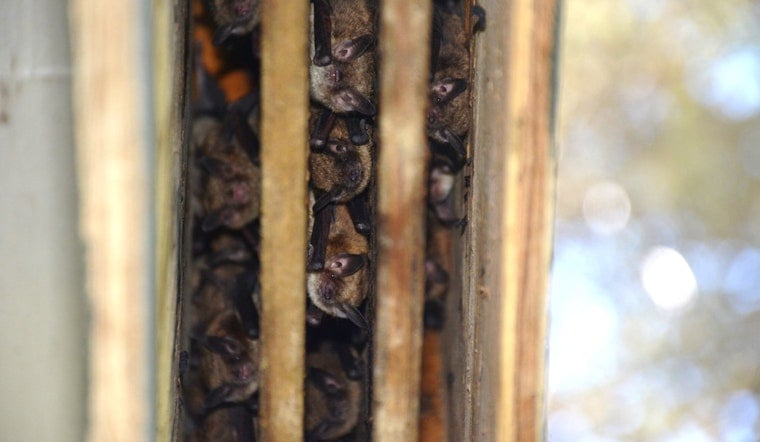
Wisconsin's night skies were recently abuzz with the flutter of over 15,000 bats, the Wisconsin Department of Natural Resources reported. These creatures of the dusk took center stage in what has been termed the Great Wisconsin Bat Count, an event that brought together more than 150 community scientists in June to witness and count the bats as they emerged from their daytime retreats. According to the Wisconsin DNR's social media post, this first-of-the-summer survey happened during the pre-volancy period – a time before the youngest of the bat population, known as pups, learn to fly.
Garnering what can be seen as a promising insight into the state's wildlife, the count was the highest recorded number of little brown bats sighted prior to white-nose syndrome's incursion into Wisconsin. Due to the disease, widely known for its devastating impact on hibernating bat populations, such a turnout is heartening for conservationists. In addition, the count in June also revealed tricolored bats at two roosts, including one previously forsaken by bats for years. "This June, more little brown bats were counted than during any other pre-volancy survey, including before white-nose syndrome arrived to Wisconsin," proclaimed the Wisconsin DNR.
The aim of these counts isn't purely for the spectacle. They serve a critical role in gauging the health of bat populations and determining the impacts of diseases like white-nose syndrome on these nocturnal creatures. By observing bats during their emergence, scientists and volunteers alike gain valuable data which assists bat biologists in their understanding and conservation efforts. "Roost monitoring helps bat biologists understand the impacts of the disease on hibernating bat populations," the Wisconsin DNR emphasized in its post.
Wisconsin residents interested in the plight of these winged mammals have another chance to contribute. The DNR has announced that the second Great Wisconsin Bat Count will take place from July 18-20. Volunteering involves the simple, yet essential task of counting bats as they leave their roosts at dusk. The DNR hopes to extend their survey to include the juvenile bats in states of newfound flight, contributing even further to the understanding of these essential, though often misunderstood, members of the Wisconsin ecosystem.





