

























































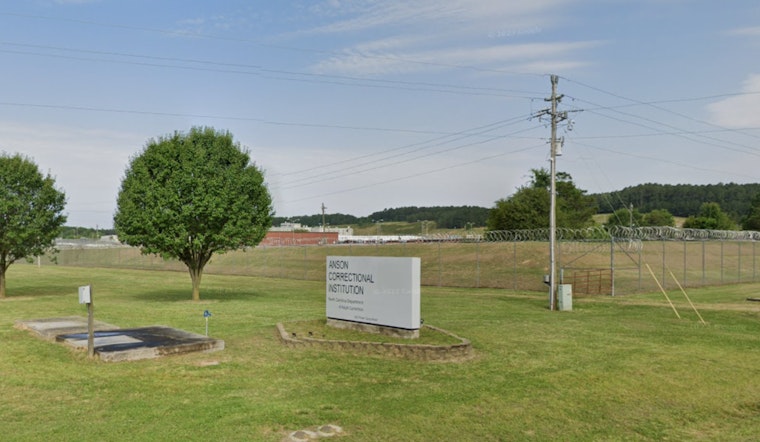
Elisa Baker, the woman convicted of the 2010 murder and dismemberment of her 10-year-old stepdaughter, Zahra Baker, has been transferred from a North Carolina state prison to a federal facility, Queen City News confirmed. Baker had been serving an 18-year state sentence for the second-degree murder; she now begins her federal sentence for a drug conspiracy conviction. Officials from the U.S. Attorney's Office disclosed Baker distributed tens of thousands of pills across North Carolina, engaging in the illegal distribution of controlled substances such as oxycodone, hydrocodone, and alprazolam.
The harrowing case drew national attention when Zahra Baker, a bone cancer survivor who had moved from Australia to Hickory, North Carolina with her father and Elisa Baker after they met online, was reported missing and her dismembered remains were later discovered, WBTV True Crime Carolina detailed the tragic developments surrounding the loss of a young girl who combated cancer and faced disability, living with a prosthetic leg and using hearing aids following her ordeals. Sources say that even after pleading guilty to second-degree murder and related charges Baker's exact role in Zahra's death as well as how Zahra was killed remains unclear, the circumstances murky and haunting as ever.
Despite the lack of clarity regarding how Zahra Baker was killed, WCNC interviewed sources close to the case, noting that her stepmother, Elisa Baker, entered a guilty plea to second-degree murder among other charges, a plea that concluded the criminal proceedings against her for her stepdaughter's death. The move to federal prison marks a significant change in Baker’s incarceration, reflecting her shift from serving time for a brutal family tragedy to serving for her role in a widespread prescription drug conspiracy.
With Elisa Baker's transfer complete, she is to commence the penalty for her federal crimes, a 10-year sentence without the possibility of early release as Queen City News reports – a stark reminder of the intertwining nature of individual malfeasance and public safety, Baker's legal journey maps an odyssey of personal and societal offenses. Post her federal imprisonment Baker will have to contend with three years of court supervision, a mandate set during her 2013 sentencing.



