

























































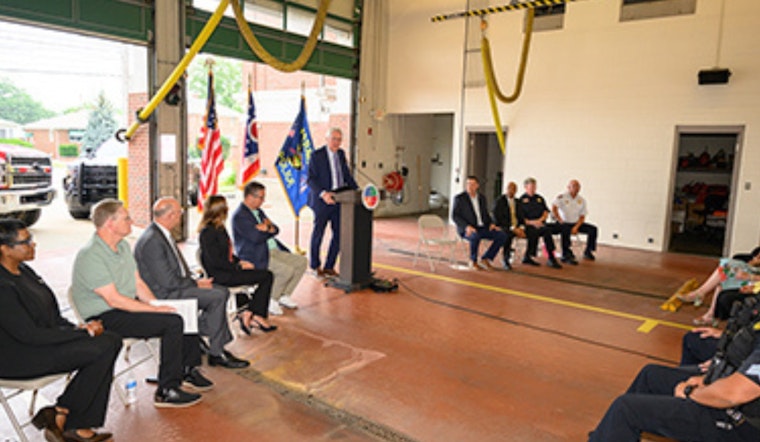
In a push to redefine emergency response in Cuyahoga County, the Mental Health and Substance Abuse Crisis Response Program is set to widen its reach by integrating into Parma and Parma Heights, providing an alternative and specialized approach to crises stemming from psychological and addiction-related emergencies. The initiative, which places social workers directly within local police and fire departments, aims to deliver a more nuanced and effective response to individuals grappling with mental health or substance abuse episodes, representing a significant investment in community-based solutions.
The expansion comes with a $3.5 million commitment sourced from the Opioid Mitigation Fund, pending approval by the Cuyahoga County Council, and it carries the goal of rolling out this program county-wide over the next half-decade a dream that, should it manifest, would see an assortment of locally tailored programs attending to the distinct needs prevalent in their respective communities. "The Mental Health and Substance Abuse Crisis Response Program has had a tremendous impact on the way our communities respond to those in need of mental health and addiction support, and I am proud to see this model expand to serve more residents across Cuyahoga County," County Executive Chris Ronayne told Cuyahoga County News.
With its roots in Shaker Heights' model initiated in 2022, the program has consistently grown, offering services in several cities since last year, where it has been instrumental in addressing over 2,000 service calls related to various crises. According to the Cuyahoga County News release, the co-responder model has proven to be successful in connecting people in need to appropriate care and support networks, thereby reducing the prospects of unwarranted encounters with the criminal justice system.
Parma Mayor Tim DeGeeter explained the approach, stating via Cuyahoga County News, "The crisis response clinician will work side-by-side with police officers, firefighters and paramedics, in both emergency and non-emergency situations. Equally important, the clinician will follow up with clients to ensure they are getting the services they need for a sustained solution," that reflects a long-term investment in the well-being of those facing momentary crises. This sentiment was echoed by Parma Heights Mayor Marie Gallo, who sees the program as core to superior public service and health, emphasizing the importance of meeting community members where they stand and aligning public safety efforts with the resources capable of fostering meaningful resolutions.
The conversation around a more empathic and specialized crisis response continues to grow, affirming the need for programs that understand the gravity behind a call for help, while pointing towards a future where safety is not just a product of enforcement but is also a measure of how societies care for the most vulnerable among us. Cuyahoga County underscores this commitment, reminding residents that help remains readily available and can be accessed for both emergency support and mental health assistance via emergency services or the 988 mental health support line.





