

























































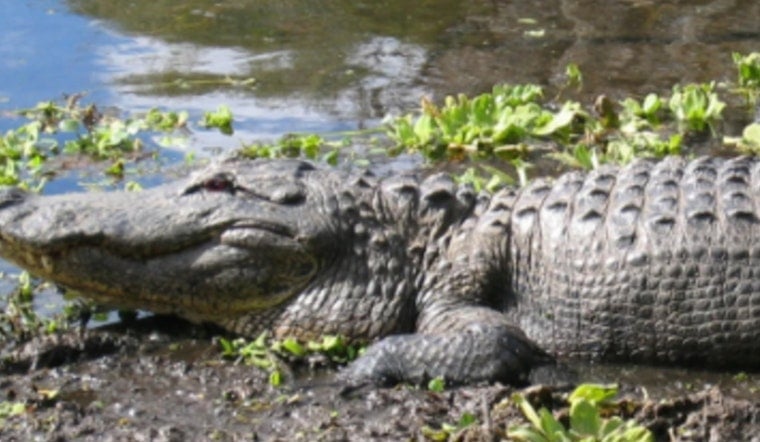
Florida's blistering summer months not only bring the heat but also a surge in alligator activity, posing a greater risk for those sunny walks with pets near the water. On the heels of an advisory from Hillsborough County Animal Control, reported by HCFL.gov, we're urged to remember that with the upswing in temperature comes gator mating, nesting, and feeding—which could mean more frequent and farther-ranging movements of these prehistoric predators, and an unwelcome surprise for our four-legged companions.
Even the quietest of waters could be deceptive because alligators, as the county's reminder elucidates, are on the move and may not shy away from crossing paths, or roads, with humans and pets. Animal Control's guidance is crystal clear: pet owners should be extra vigilant along the edges of ponds, lakes, ditches, and canals, especially since our pets can mirror alligators' natural prey in size and behavior. The advisory notes, "Alligators are opportunistic feeders and can be fast if they feel threatened or are hunting," which should incentivize anyone responsible for a furry friend to keep their guard up.
Several practical tips have been shared to help stave off any potential pet-predator drama; keep pets leashed and at a safe distance from any aquatic verge, steer clear of overgrown areas next to water, and definitely think twice before allowing Spot or Whiskers a swim in these natural waters. Alertness during the more active twilight hours of dawn and dusk is also recommended, times when the unseen danger may be at its peak due to these creatures' nocturnal habits.
While the encounter of the toothy kind that leads to injury remains a rarity, no one wants their companion to be an exception; as smaller animals with quick movements, pets are inherently more exposed to an alligator's attention, thus being proactive is key. Concerns about a particular alligator should be directed to the Florida Fish and Wildlife Conservation Commission's Nuisance Alligator Hotline, which is available at 866-FWC-GATOR (392-4286) and dispatches contracted trappers to handle any situations where a gator might be pushing the boundaries of human coexistence.




