

























































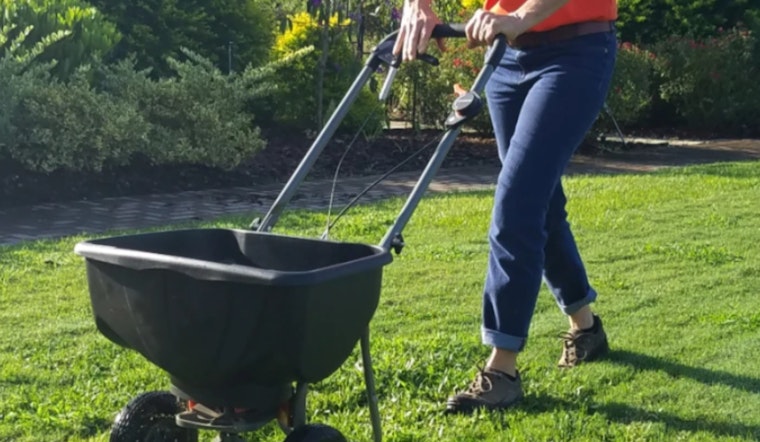
Amidst the simmering summer season, Hillsborough County's stance on water quality is crystal clear: keep those fertilizers containing nitrogen and phosphorus out of the equation. With a strict prohibition running from June 1 through September 30, residents and businesses alike are prompted to tread lightly during this critical time. The county is sticking to its guns on this one, folks—it’s about maintaining those sparkling streams, rivers, lakes, and bays, not to mention keeping the nefarious algae at bay.
Why all the fuss, you may ask? Have a gander at the weather patterns typical in West-Central Florida—rain, rain, and more rain throughout these months. This presents a perfect storm, with the heavy downpours hustling nutrients right into the waterways. Specifically, during the summer, fertilizers are prone to become a significant concern when heavy rainfall events occur. Relentless downpours could, if not for the regulations, wash an excess of these nutrients into local waterways without even breaking a sweat.
Let's cut to the chase on how this plays out in nature. Algae, the kind that stirs up trouble like red tide, thrives off these nutrients. Blooms can typically start their party offshore, but with nutrient-rich coastal waters, things can get out of hand fast, leading to the environmental hangover no one wants—fish kills and breathing problems for starters. According to Hillsborough County's public announcement, "The worst impacts - like fish kills and breathing problems - usually happen along the shoreline."
And it's not just the fish that wind up in dire straits. Vital aquatic plants get the short end of the stick, too, being deprived of sunlight which is equivalent to us skipping breakfast, lunch, and dinner. To top it off, certain algae with a penchant for drama can churn out toxins. These toxins, when produced by some blue-green algae, turn water bodies into no-go zones for fish, folks, and Fido alike. The county's reminder paints a bleak picture for marine life should these guidelines be ignored: "Larger or persistent blooms may also affect other marine life, such as manatees and dolphins. For example, red tide can release a neurotoxin that may cause manatees to show symptoms similar to seizures when inhaled, and in some cases, may interfere with normal breathing."
Now, the legal tapestry of this fertilizer ordinance is stitched with specifics: nitrogen and phosphorus are the ingredients du jour not allowed on lawns or plants during the banned period. Need phosphorus for a legitimate shortfall shown by a lab test? Go ahead but cautiously. And let's not forget the nitty-gritty like keeping fertilizers off your driveway and out of the storm drain. Miss the memo and find yourself improperly spreading fertilizer? That'll be up to a $500 fine or a possible reservation at the county jail for 60 days. As for enforcement, Hillsborough County Code Enforcement is keeping an eagle eye out, and citizens can play their part by reporting any suspected no-nos online.





