

























































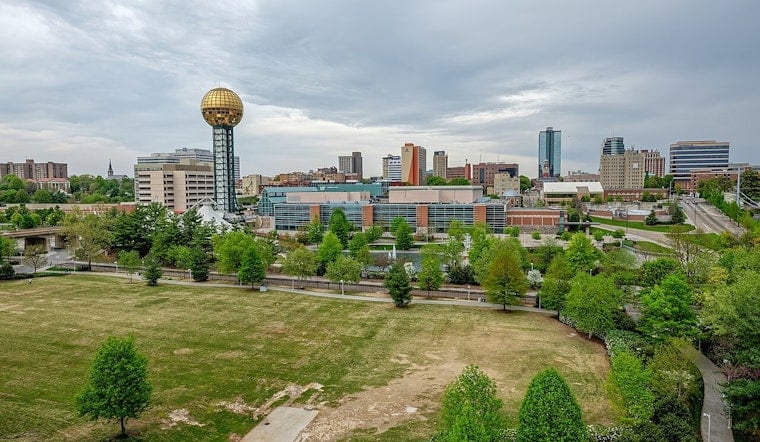
The ambitious project that intended to weave back together East Knoxville with the rest of the city has hit a significant roadblock with the passage of President Donald Trump's "Big Beautiful Bill." The legislation has unceremoniously slashed a $42.7 million grant that was lined up to fund the initiative, as confirmed by Knoxville's Community Development Corporation. The grant, heralded in March 2024, was targeted to fund nearly half the cost of the seven-phase connectivity project. In an emblem of frustration, the project was set to be the linchpin for ushering marginalized communities back into the city's economic and social spheres.
Ben Bentley, KCDC's CEO and President, noted in a release that though official notice of the funding withdrawal hadn't yet been received, the disappearance of federal funding was clear as day. According to an article by WVLT, Bentley stated, "As federal funding becomes increasingly uncertain, proactively identifying additional local revenue sources will be essential to advance transformative initiatives and deliver housing, infrastructure and amenities that are local priorities." The overriding theme of the response from KCDC predicts the search for alternative financial sources to keep the project afloat, such as other grant opportunities or local donors.
Reported by WVLT News, the defunded program was a segment of the US Department of Transportation's Reconnecting Communities and Neighborhoods Program, established under the 2021 Bipartisan Infrastructure Law, aimed explicitly at reconnecting disadvantaged neighborhoods like East Knoxville. The grant was a beacon of hope for an area still grappling with the legacy of urban renewal projects that did more dividing than connecting in the mid-20th century.
The WATE reported that KCDC is among the top 10 percent of national public housing authorities and the third-largest in Tennessee. Their dedication to the administration of affordable public housing and rental assistance programs has been pivotal for qualifying citizens. Yet, finding alternative funding could prove challenging given the recent fiscal prudence trend, with the view of cutting federal spending reinforcing barriers for projects like those in Knoxville.
Despite the setback, local officials have not relinquished hope. Knoxville Mayor Indya Kincannon discussed alternatives at a city council meeting, as noted by Knox News, affirming the search for other grants and emphasizing the importance of local investment. “We are already pivoting to seek other grant opportunities," Kincannon said. U.S. Rep. Tim Burchett, despite casting a vote for the bill that ultimately slashed the funds, remains committed to assisting state and local partners in pursuing new federal funding opportunities, according to his spokesperson, Will Garrett.




