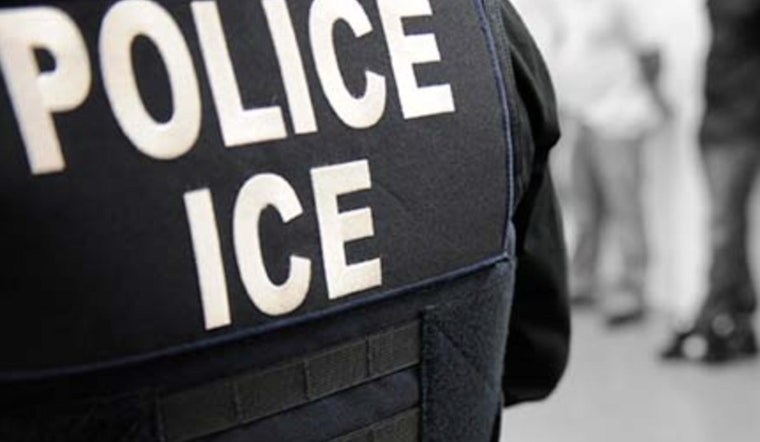
In a recent move to increase accountability among Immigration and Customs Enforcement (ICE) officials, Manhattan Comptroller Brad Lander, alongside other local leaders, announced the introduction of the MELT (Mandating End of Lawless Tactics) Act. Aimed squarely at operatives of ICE, it seeks to make it illegal for agents to wear masks that would otherwise conceal their identities. This legislation was discussed publicly outside the Federal Immigration Court in Lower Manhattan, as reported by ABC7NY.
Despite heavy allocations in the recent budget reconciliation bill – which included $45 billion for immigration detention centers and close to $30 billion to recruit more ICE personnel and cover transportation and maintenance costs – the MELT Act embodies a local push to ensure that those who enforce the laws do not hide behind anonymity. "We are a nation of laws. The MELT Act will ensure that ICE and all those who have the power to enforce our laws are held accountable to the people," Lander and other officials stated in the release obtained by ABC7NY. They argue the hidden identities could quickly escalate into an unchecked police state.
Parallel to the local efforts in New York, Democratic senators introduced the "visible act" on a federal level, which also prohibits ICE agents and other immigration officials from masking their identities during enforcement activities. The bill, put forward by California Sen. Alex Padilla and New Jersey Sen. Cory Booker, mandates that officers clearly display their agency name or acronym, extensively reducing their ability to operate under a veil of secrecy. The details of this legislation were covered by The Guardian.
However, immigration officials have cited safety concerns as a reason to obscure their identities. "We ran an operation where Ice officers were doxed," acting ICE director Todd Lyons explained in defense, after officers' personal details were made public online, leading to threats against them and their families. Lyons' perspective was recorded by The Guardian. While the visible act does allow for anonymity in undercover operations or for officer safety, it places clear limits on the use of non-medical face coverings in most enforcement settings.