

























































In an ongoing effort to harmonize human activity with marine conservation, Maui's nearshore waters are once again at the forefront of community-focused dialogue. The DLNR Division of Aquatic Resources (DAR) through its Holomua Marine Initiative has set the stage for two more information exchange sessions, building on a foundation laid in 2022, when public talk-story sessions kicked off a deep dive into community marine management priorities. This time, they're bringing a smorgasbord of revised draft recommendations to the table, informed by prior community feedback, and hoping the public will bite, according to a release published on the DLNR's official website.
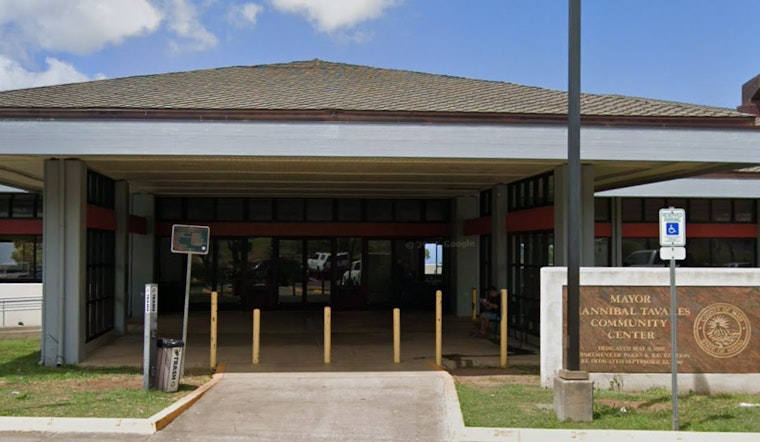
After a two-year collaboration, the community-nominated Maui Navigation Team, which is essentially a group composed of fishers, community leaders, cultural practitioners, and scientists is circling back to the population for a second round of feedback—eager to float a raft of strategies aimed at ensuring bountiful reefs for eons to come. Officials eagerly await input at the Mayor Hannibal Tavares Pukalani Community Center on July 29 and the Kīhei Community Center on August 6, as stated in the DLNR News Release. Public participation is apparently a beachhead in the quest for an equitable stewardship of Maui's prized coastal resources.
The Holomua Marine Initiative prides itself on being a grassroots approach to aquatic resource management, infusing local cultural and ecological wisdom into the planning process. The initiative revolves around four pillars: place-based planning, pono practices, monitoring, and restoration, all aimed at creating sustainable harmony between natural preservation and the needs of the local community. Draft proposals include tightening fishing rules to curb unsustainable practices, enhancing enforcement to bolster compliance, and designating areas for habitat restoration, tackling both aquatic and land-based threats to the ecosystem.
In a nutshell, the latest rendition of management recommendations touches on multiple angles—from policing overfishing to keeping an eye on harmful land activities such as injection wells and sedimentation—a holistic plan trying to keep the marine ecosystem hale and hearty while not leaving local fishermen with an empty net the DLNR News Release explained. As the Maui community navigates through the challenge of conserving its nearshore waters, this initiative offers them a seat at the captain's table, steering the course for a future where corals and fish thrive, and families continue to reel in sustenance from the sea.



