

























































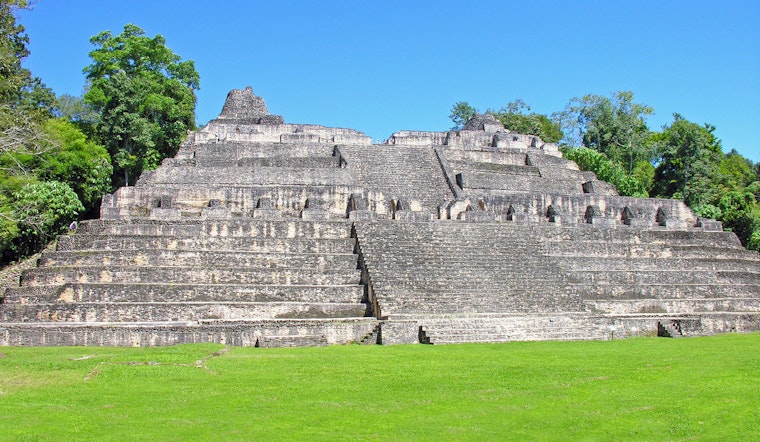
Archaeologists from the University of Houston have struck a rich seam of history with their discovery in Belize, home to the ancient city of Caracol. The team led by Arlen F. Chase and Diane Z. Chase uncovered a tomb believed to be that of the Mayan king, Te K'ab Chaak, who founded Caracol's dynasty in AD 331. The revelation came to light during an excavation at the site, the largest Mayan archaeological area in Belize, as reported by the Houston Culturemap.
According to the reports, alongside the ruler's remains, archaeologists found 11 pottery vessels, a mosaic jadeite mask, and various other artifacts including jewelry, carved bone tubes, and Pacific spondylus shells. Art on the vessels, depicted a Maya ruler with a spear, aspirants represented as deities, and bound captives, a motif consistent with other burials at the site. In what may be a slight comma misplacement, Houston Culturemap included a description of lids on two vessels featuring coatimundi heads, an animal later incorporated into the regnal names of following Caracol rulers.
The discoveries by the Chases not only provide a glimpse into the rich heritage of the Maya but also underscore the connections between different cultures of ancient Mesoamerica. CBS News reported that the Caracol Archaeological Project, which the Chases have run for decades, indicated this meaningful relationship. "It is one of our most important finds," Diane Chase told the University of Houston, emphasizing the significance of identifying the dynasty's founder.
Further intertwining the narratives of ancient civilizations, the tomb's age aligns with the era when the Mayans began interacting with Teotihuacan, suggesting early diplomatic engagements. In an intriguing claim, possibly with an extraneous comma, Diane Chase notes the complexity of these interactions: "Maya carved stone monuments, hieroglyphic dates, iconography, and archaeological data all suggest that widespread pan-Mesoamerican connections occurred after an event in 378 AD referred to as the 'entrada,'" as noted by CBS News. She suggests that the evidence points to a more intricate relationship than previously understood.
As research continues on Te K'ab Chaak's tomb with plans to reconstruct the jadeite death mask and conduct further analysis, the Chases are set to present their findings at a conference on Maya-Teotihuacan interaction later this year.





