

























































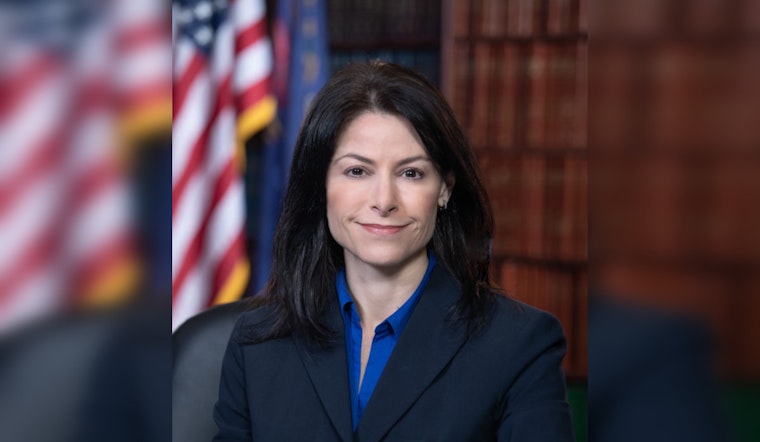
Attorney General Dana Nessel has teamed up with a group of 21 attorneys general to file a lawsuit against the U.S. Department of Agriculture (USDA), contesting a demand that states hand over personal data on recipients of the Supplemental Nutrition Assistance Program (SNAP). The lawsuit, filed in the U.S. District Court for the Northern District of California, raises concerns about the legality of this request and the potential threats to privacy that it presents. According to a statement by Michigan's Attorney General's Office, Michigan delivers approximately $254 million in SNAP benefits per month, which underscores the gravity of the situation should federal funding be delayed due to non-compliance.
The USDA's demand has sparked outrage among state officials, as it implies withholding administrative funding if states don’t comply, effectively cornering them into a choice between securing their residents' privacy and ensuring their basic need for food is met. "This is yet another attempt by the Trump Administration to illegally use personal, sensitive data to fuel the president’s political agenda under the guise of fighting fraud and abuse," Nessel stated, as reported by the Attorney General's Office. This issue hits particularly close to home, considering that Michigan is responsible for the livelihood of around 1.4 million SNAP recipients.
The unprecedented nature of the USDA's demand extends beyond practical data sharing for program administration and raises red flags about the potential misuse of sensitive information. In addition to social security numbers and addresses, the USDA is seeking comprehensive data spanning five years on all SNAP applicants and recipients. The coalition of attorneys general argues that not only does this demand violate multiple federal privacy laws and the U.S. Constitution, but it contradicts the government's own assessment of SNAP as a program with a highly effective quality control system. The USDA has previously lauded SNAP's integrity protocols that have been in place for six decades, and which have never required such extensive data sharing.
Furthermore, the demands for information are part of a broader effort by federal agencies to compile databases containing Americans' personal information, as stated by the Attorney General's Office. It appears they are intended for use in executing the administration’s undisclosed political objectives, including perhaps immigration enforcement. Already, the Department of Homeland Security has gathered abundant personal info from the IRS and the Department of Health and Human Services, raising concerns over the convergence of private and public sector data for purposes not originally intended when collected.
The lawsuit contends that the conditions set by the USDA not only exceed their statutory authority but also disregard the Spending Clause of the Constitution. Attorneys general from states including Arizona, California, and New York, among others, stand with Nessel in challenging this overreach. They seek a court ruling that would prevent the Trump Administration from imposing such demands on states and possibly block the administration from making SNAP funding contingent upon compliance with these invasive requests.


