

























































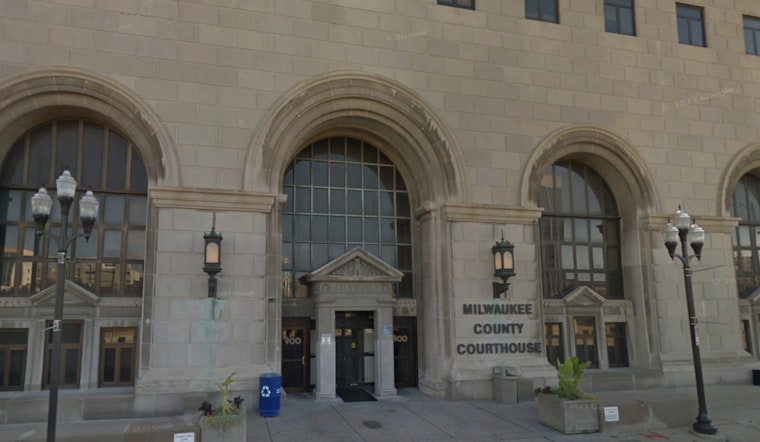
In a significant push against the opioid crisis, Milwaukee County Executive David Crowley announced a proposal to allocate more than $9 million in opioid settlement funds toward several key initiatives. The announced strategies are designed to reduce opioid use disorder and enhance treatment and prevention services across the county. According to a press release published by Milwaukee County, these measures are part of a broader strategy to improve community health outcomes and achieve health equity.
Through the unanimous approval of the County Executive's proposal by the Milwaukee County Board Committee on Finance, a variety of projects lined up to take advantage of the funds from fiscal years 2026 to 2028. Having reported by the county, one of the highlights is the Aging and Disabilities Services Opioid Prevention Project, which will engage in outreach efforts, including door-to-door canvassing and harm reduction supply distribution. Another noteworthy project is the Community Regranting Program, which offers a lifeline for community-based organizations delivering critical services in historically underserved populations.
With over $111 million awarded to Milwaukee County over 18 years, this marks the largest such settlement to any local government in Wisconsin. These newly proposed programs aim to break addiction cycles, advance racial equity, and fill systemic gaps. The significance of these initiatives is substantial, as they continue to expand on the foundation established by the initial round of settlement-funded projects, which have already made significant progress in the region.
The proposals include plans to provide harm reduction vending machines and an online ordering system, as well as to fund key staffing positions in the Medical Examiner’s Office. In addition to efforts to enhance data analytics, the office is expected to add a forensic pathologist, a medicolegal death investigator, and a forensic chemist to support investigative functions and data-informed processes. Shakita LaGrant-McClain, Executive Director of the Milwaukee County Department of Health and Human Services, stated in a press release, "This funding will allow DHHS to continue the life-saving work that began with the initial round of opioid settlement funds."
These proposed initiatives outline Milwaukee County’s response to the ongoing epidemic, developed in collaboration with service providers and individuals with lived experience. The strategy aims to address the crisis by involving community stakeholders in efforts to improve health and equity outcomes for residents.





