

























































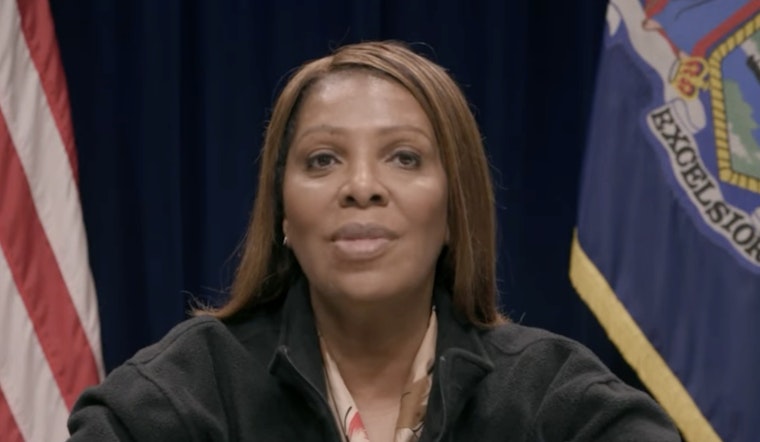
New York Attorney General Letitia James is at the forefront, co-leading a coalition of attorneys general in an effort to defend a key immigration program. They are working to uphold an order that would prevent the federal government from the abrupt termination of "Cuba, Haiti, Nicaragua, and Venezuela" (CHNV) humanitarian parole for over half a million immigrants, as reported by the Attorney General's Office.
The CHNV parole initiative, initiated by the Department of Homeland Security in 2022 and 2023, serves as a legal entryway for individuals from the listed countries, providing them sanctuary and the opportunity to reunite with family within U.S. borders. A recent legal brief filed in Doe v. Noem is supported by James and a coalition of other states' legal representatives, arguing against the decision to end this program which they say, would harm public safety, economic stability, and risk separating families.
In their defense of the CHNV program, Attorney General James and the coalition stated, "Humanitarian parole exists to support vulnerable individuals and families who have come to our country seeking safety and a better life," as obtained by the Attorney General's Office press release. They contend that removing these individuals' parole status would not only be cruel but would also undermine the vital economic contributions made by these communities in various American states.
These concerns are underscored by the role immigrants play in the workforce, with CHNV parole beneficiaries holding significant positions in industries like health care, construction, and manufacturing. James highlighted that in New York alone, immigrants comprised 27.8 percent of the labor force in 2023, and were predominant in jobs such as home health aides and housekeeping, according to the Attorney General's Office press release.
Moreover, termination of the docket would escalate costs and could endanger public safety by discouraging immigrants from interacting with public institutions, including law enforcement. James and her co-signatories insist that the humanitarian repercussions would be dire – families torn apart, and individuals facing the threat of being sent back to countries fraught with extreme dangers. The attorney general's coalition, comprising 17 attorneys general from a diverse range of states, stands united in this legal struggle to preserve the stability and safety of immigrants and their families.




