

























































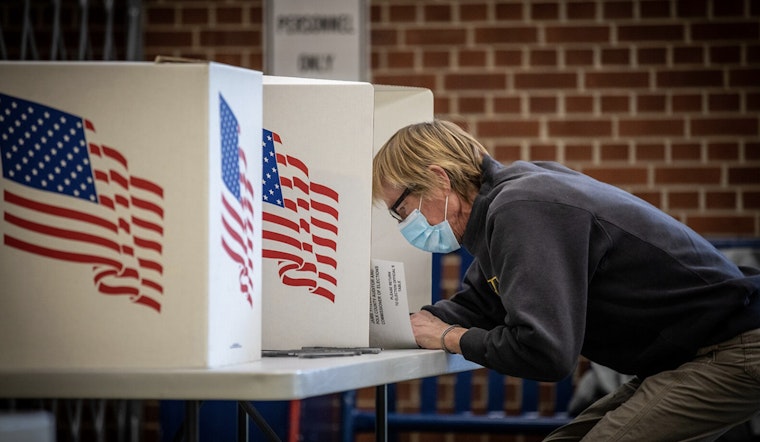
New York City residents will vote on five ballot measures this November. The proposals, developed by the Charter Revision Commission established by Mayor Eric Adams last December, address local land-use regulations and the timing of municipal elections. According to AM New York, the commission approved the measures today after several months of review and public input.
The first four measures target the city’s land use and zoning, aiming to address the housing shortage by streamlining affordable housing projects and adjusting election years to potentially improve voter turnout. Richard Buery, chair of the commission, expressed his support, saying, “There’s lots of pieces to this puzzle, but we feel really good about the polls we’ve made and really looking at ways the charter can particularly help us build housing we need faster,” as told to AM New York. Additionally, a fifth proposal proposes shifting city elections to even-numbered years, with the goal of increasing voter participation and lowering election expenses.
New York City currently experiences a significant gap in voter turnout between local and federal elections. For example, about 62% of voters participated in the 2020 presidential election, while only 23% voted in the 2021 mayoral race. The proposed shift in election timing could follow the example of cities like Phoenix and Baltimore, where similar changes resulted in increased voter turnout, according to commission information reported by PIX11. Supporting the proposal, Citizens Union executive director Grace Rauh stated, “Polls have shown widespread, cross-partisan support among New Yorkers for consolidating local elections—and nearly every time this question has been put before voters across the country, it has passed by large margins, with an average approval rate of 72%.”
The land-use proposals have prompted discussion among community members. Some have raised concerns that faster decision-making could reduce the thoroughness of planning and concentrate authority within a smaller group. Supporters, including Richard Buery, state that the proposals seek to expedite processes while maintaining community input, in response to New York City’s housing vacancy rate of 1.4% in 2023 and the ongoing affordability challenges. The proposals aim to modify existing procedures related to housing development and planning in the city, according to housing advocates speaking to AM New York.
With November approaching, the city plans to conduct a public education campaign to explain the proposals and inform voters ahead of the election. The city will maintain a neutral stance on advocacy, while Mayor Adams has stated he may promote the measures in a personal capacity. The Charter Revision Commission also reported that a proposal for an open primary system was dropped due to pushback and lack of agreement, as reported by PIX11.





.jpg)