

























































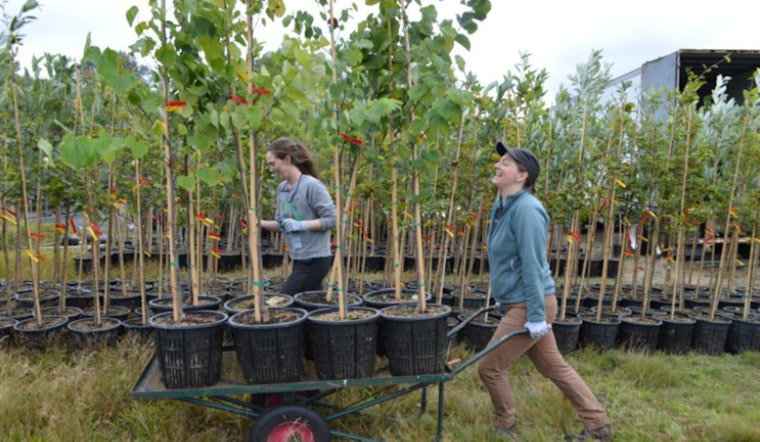
In a recent move to turn Seattle a deeper shade of green, Mayor Bruce Harrell, alongside Seattle Public Utilities (SPU), has announced a significant boost to the Trees for Neighborhoods program. This initiative, which began back in 2009, has been integral to increasing the city's tree canopy by distributing free trees for residents to plant in local yards and streets. Details released by the Seattle Office of the Mayor highlight the addition of services designed to guide homeowners in the nurturing of young saplings, crucial during their formative years.
Mayor Harrell has been vocal about the necessity of trees for community and environmental wellness, saying, "Trees provide immeasurable health and climate benefits for our communities, and we are acting with urgency to plant and care for the next generation of our urban forest," as stated by the Seattle Office of the Mayor. The expansion comes at a time when climate action is in focus, significantly in urban areas that face the heat island effect. Now, participants of this program can enroll their trees planted per development requirements, for tailored care reminders to help them flourish over the critical five-year establishment period.
Technical support doesn't end at planting. It extends to providing actual equipment such as mulch and watering bags, as well as vital knowledge through workshops. SPU acknowledges the success of the program, attributing its nearly 90% survival rate of street trees to such ongoing support methods. These newly expanded services will be particularly useful, given that young trees require around 15-20 gallons of water twice a week during the hot and dry months, as detailed by SPU General Manager and CEO Andrew Lee.
Indicative of the program's integration within the community, resident testimonials reveal the heartfelt engagement Seattle citizens have developed with their leafy companions. "My seven-year-old son loves our Trees for Neighborhoods tree like a pet," said Derm Hikisch from West Seattle, a sentiment echoed by several others who appreciate the program's role in their daily lives, and the growth of their trees, according to the Seattle Office of the Mayor. This personal attachment to the program points to more than an ecological victory — it illustrates foundational bonds between citizens and their living, breathing environment.
On the logistics front, an ambitious $680,000 from the 2025-2026 budget is being allocated to open a new tree nursery this fall, promising a supply of 500 trees each year. This is a step further in the city's commitment to bolstering canopy cover, climate resilience, and stormwater management goals. In the words of Lauren Urgenson, Urban Forestry Policy and Programs Manager at the Office of Sustainability & Environment, "Trees are essential climate infrastructure that provide lasting benefits to our communities, from reducing heat during summer months to improving air and water quality," as reported by the Seattle Office of the Mayor.





