

























































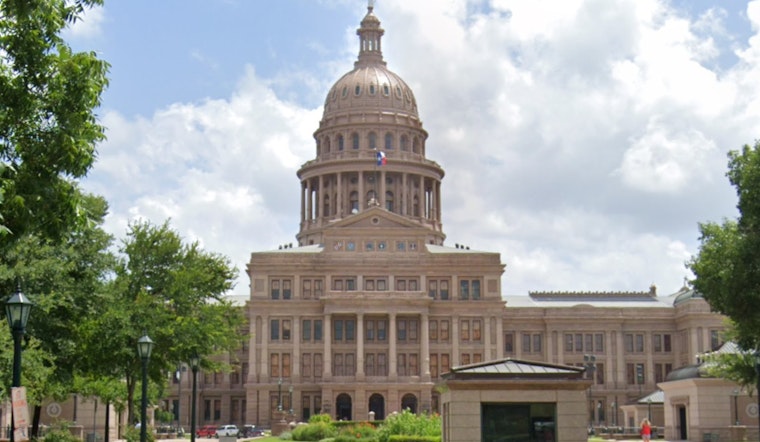
The redistricting saga in Texas continues, with Republican lawmakers recently unveiling a draft congressional map that is ruffling feathers across the political spectrum. As reported by Click2Houston, the proposed changes have been decried as a move to solidify GOP strength in key areas. The draft aims to reshape at least five traditionally Democratic districts in a manner that could bolster Republican representation in Austin, Dallas, Laredo, McAllen, and in Houston's 9th Congressional District.
Meanwhile, the specifics of the proposal suggest that at least 30 districts would have supported former President Donald Trump in the 2024 election, up from 27. This potential gain has ignited concern among Democrats, who are actively challenging the new map's legitimacy. In a bid to block the progress of the redrafting, some Texas Democrats are reportedly considering leaving the state—a move that would prevent the legislative body from reaching a quorum. However, this partisan chess game does well to reveal the stark divide and the strategic lengths both sides are willing to go in this fight over the electoral battleground.
Accusations of racial gerrymandering are being catapulted from the left against the proposed map. The Texas Tribune reports that Democrats are labeling the new boundaries as both racist and illegal. The map apparently would split voters of color in Tarrant County and alter the dynamics of the 35th District in Central Texas—a maneuver severely criticized by Rep. Greg Casar, who represents that district. He said, "If Trump is allowed to rip the Voting Rights Act to shreds here in Central Texas, his ploy will spread like wildfire across the country."
Public reaction is mixed, with some Texans wary of the motives behind the redrafting, while others view it as an opportunity for revitalization in underserved areas. One voter, Cole Kennedy, expressed his concern to Click2Houston, saying, "Usually, whenever they do redistricting in a state like Texas, they are specifically trying to push more Republican politicians into areas where the people who historically live there generally don’t support those politicians." On the flip side, some residents are hopeful that new representation could lead to better community services and infrastructure.
The next steps in this highly partisan issue are still uncertain, as the draft map could change before it’s approved. Voters are divided—some hopeful for change, others concerned about losing their voice. It’s clear that the outcome of Texas' redistricting will affect not only the state but also the broader national political landscape.





