

























































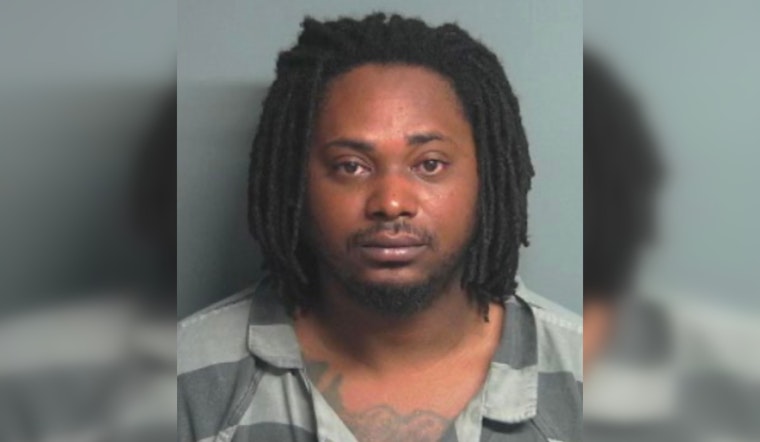
In a landmark case under Texas's new fentanyl murder statute, 37-year-old James Carter-Smith, Jr. was given a 50-year sentence for the murder of Justin Fortin, a disabled U.S. Army veteran who suffered a fatal overdose. According to KHOU, Carter-Smith's conviction is the first of its kind since the law took effect in 2023.
Carter-Smith, who had previous convictions, including drug-related offenses, was accused of selling the fentanyl that led to the death of Fortin. The 34-year-old former paratrooper, who served two tours in Iraq, was found dead from fentanyl toxicity in his bedroom in Magnolia, Texas, on October 18, 2023. In a tragic noting of contrasts, Montgomery County District Attorney Brett Ligon said, "Justin Fortin survived two tours in Iraq but couldn't survive what James Carter-Smith, Jr. sold him," as noted by KHOU. The evidence linking Carter-Smith to the fatality was uncovered by law enforcement during a thorough investigation involving searches at a clothing store and a private residence connected to Carter-Smith, the DA's Office revealed.
The sentencing, roughly half the maximum 99-year sentence, reflects the gravity of the opioid crisis and the power of the new statute designed to address it. Chief Prosecutor Donna Hansen, as reported by ABC13, stressed the enforcement's discretion in the application of the law, "You don't want to use a fentanyl murder charge on, you know, a young person who is not a drug dealer, right. Not somebody who's profiting off of the misery of others."
The impact of Fortin's death extends into his family's attempt to comprehend the loss. His mother, Christine Fortin, shared her devastation with ABC13: "He took my child away." After his military service, Fortin battled a brain injury, back pain, and PTSD - struggles compounded by guilt and eventually the dependencies that would lead to his untimely death. "He did something that was morally unethical in his opinion, and he just could not overcome that," Christine Fortin told the station. The blight of fentanyl, still unfamiliar to many before personal tragedy strikes, has initiated laws like Texas', as roughly two-thirds of U.S. states have enacted some sort of drug-induced homicide law in response to the growing crisis.





