

























































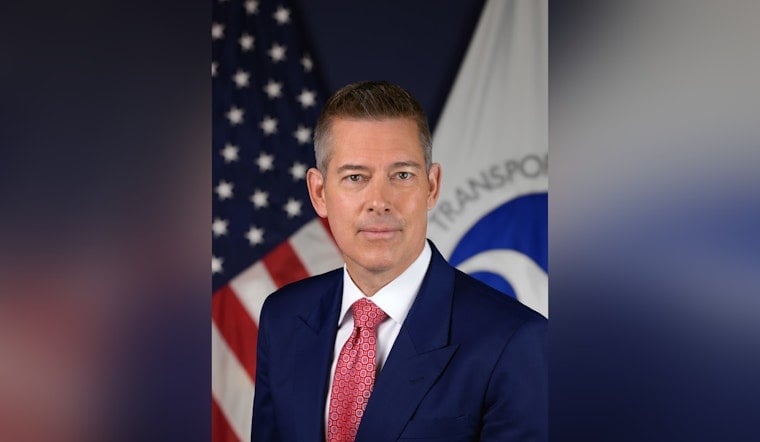
In a move primed to advance the infrastructure landscape of America, U.S. Transportation Secretary Sean P. Duffy has unveiled the makeup of the USDOT Advisory Board. Consisting of 12 handpicked members, the board brings together a fusion of expertise across multiple disciplines within the transportation sector. Duffy, taking the helm at the Transportation Department under President Trump's administration, is set on mobilizing this group to steer strategic decision-making that could redefine the transportation network in the United States. The board's first convening took place yesterday, as per USDOT's announcement.
The newly appointed USDOT Advisory Board includes Gregg Reuben, CEO of Centerpark, who will serve as chair, and former FAA administrator Stephen M. Dickson among its 12 members. U.S. Transportation Secretary Sean P. Duffy said, “We’re bringing 12 business leaders, industry experts, and innovators together with decades of experience in the field who will provide invaluable insights to deliver results for the American people.” The board’s mission is to provide guidance on revamping the nation’s infrastructure. The group held its first meeting yesterday, according to the USDOT announcement.
Notable appointments to the USDOT Advisory Board include Peter Bartek of FTS Rail, Michael Capasso of C.A.C. Industries, and Brigham McCown, founder of the Alliance for Innovation and Infrastructure. The board’s agenda includes focusing on transportation modernization, identifying investment opportunities, reviewing regulatory measures, and encouraging public-private partnerships.
According to a USDOT news release, the advisory board’s mandate includes developing strategic recommendations for infrastructure modernization and expansion. The administration expects the board to provide guidance on public transit systems, roads, bridges, and aviation. Details about the advisory board and its first meeting were outlined in the USDOT statement.
The advisory board members come from diverse backgrounds, including economics, law, policy, and project delivery. They will serve a two-year term focused on recommending solutions for the nation’s transportation systems. Further updates on the board’s activities and recommendations will be provided as the work progresses.





