

























































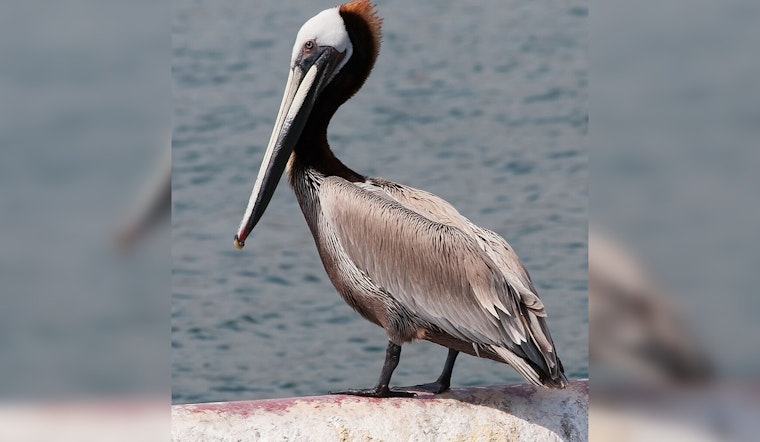
In an effort to rapidly address a worrisome ecological crisis, the Wetlands and Wildlife Care Center (WWCC) in Huntington Beach celebrated the return of brown pelicans to their natural habitat after a near-fatal encounter with domoic acid. These pelicans were among the marine life afflicted by a toxic algal bloom along the Southern California coast, which began its devastating spread back in December 2024 and culminated in what experts have termed as the worst event of its kind on record. Rescued and healed from the brink of death, 13 brown pelicans were released back into the wild on Wednesday, with CBS News Los Angeles reporting that the care center was involved in a three-month long, around-the-clock rehabilitation effort.
The environmental disaster, first detected near San Diego and described to quickly intensify, has been hitting marine life hard. The afflicted birds and mammals consume fish that have fed on the algae producing the toxin. KTLA reported that the Marine Mammal Care Center in Los Angeles responded to over 550 instances of sea lions and dolphins affected by the toxin, well to exceed its annual budget designed to care for only 300 animals. With the algal bloom now subsiding, efforts have transitioned to ensuring the affected wildlife can safely return to their oceanic homes. This includes the gradual release of rehabilitated animals, with nearly 80 out of 100 surviving pelicans already having taken the leap back into nature.
Indeed, Wednesday's pelican release wasn't without its hitches. While the majority of the rehabilitated birds returned to the skies, a report by KTLA's Chip Yost depicted a scene wherein several pelicans seemed hesitant to leave, causing a slightly anxious wait among those gathered. Eventually, all but two of the hesitant birds managed to find their wings and fly off. The two that remained received further assessment back at WWCC to ensure they were fit for a future release.
The domoic acid problem is serious, with consecutive years of outbreaks elevating its threat to the region's marine ecosystems. Originating from the Pseudo-nitzschia australis algae, as reported by KTLA, domoic acid has also been affecting larger marine species, including sea lions, dolphins, and even whales. The toxicity ripple effect extends to humans, as local officials have warned against consuming shellfish harvested off the Southern Californian coast during these "red tide" events due to contamination.
Amid this backdrop, WWCC and the Huntington Beach community have been finding hope in their conservation efforts. At the release event, WWCC Executive Director Debbie McGuire was quoted by the Wetlands & Wildlife Care Center's Facebook post expressing the sentiment that witnessing the birds take flight again serves as "a powerful reminder of why our work matters." The event was also made meaningful through the involvement of the Huntington Beach Junior Lifeguards, who not only assisted but gained valuable experience in wildlife conservation.




