

























































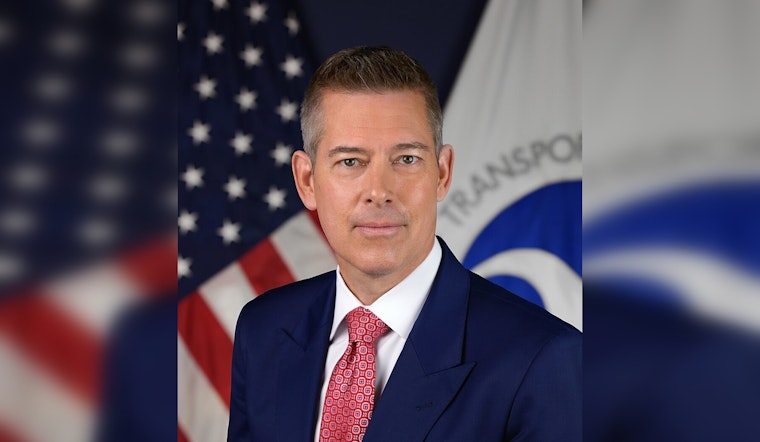
The tug-of-war between U.S. Transportation Secretary Sean P. Duffy and the New York Metropolitan Transportation Authority (MTA) escalates over rising subway crimes in New York City. Duffy, voicing concerns about the MTA's response to violent crime, is insisting on a detailed strategy from the transit agency. As reported by the New York Post in May, assaults on the subway system have jumped an alarming 66% compared with 2019 figures.
"MTA giving USDOT the runaround when New York City grapples with a dramatic uptick in subway assaults is unacceptable," Duffy stated. "The innocent victims of these horrific crimes and the daily commuters who live in fear of violence deserve better." The Secretary's demands for a comprehensive account of the MTA's safety and security measures aim for a restoration of order and confidence among riders.
Inquiries from the Federal Transit Administration date back to a March 18th communication, where Duffy requested from Janno Lieber, MTA Chair and Chief Executive Officer, the concrete steps being taken to bolster passengers' and workers' security on subways and buses. The MTA's initial response on March 30th did not satisfy the specificity required for evaluating and understanding their crime deterrence and fare evasion strategies.
The follow-up from FTA underscores the need for specifics. The inquiry includes the effectiveness of safety risk mitigations, the operational state of cameras, how long recordings are kept, and an evaluation of potential changes to train car design that could increase safety, such as the implementation of open gangways. Read the full letter HERE.
This stand-off takes place amidst heightened scrutiny of urban transit systems nationwide, where the public's right to safety stands at the forefront of transportation policy. As transit usage slowly climbs back in post-pandemic life, the pressure mounts on agencies like the MTA to prove that their environments are not just conducive to mobility, but also to personal security. Duffy's persistent requests signal a federal impatience for action and transparency in an era where urban safety is not just desired, but demanded.





