

























































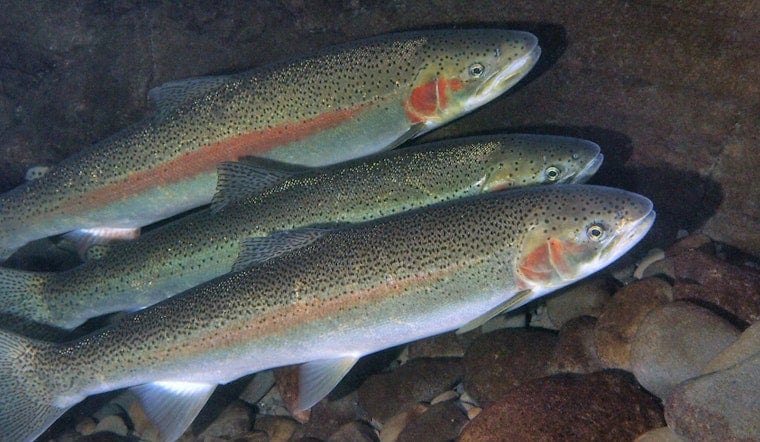
It looks like the Washington Department of Fish and Wildlife (WDFW) is diving into the depths of public opinion. They're on the hunt for feedback on a proposal that could change the game for coastal steelhead, those hefty aquatic athletes tipping the scales at over 30 pounds. The proposed regulations shuffle is meant to ensure these fish continue to thrive along Washington's Pacific Coast and the rivers that feed into Grays Harbor and Willapa Bay. If you've got a take on trout, a perspective on piscatorial matters, or simply want to have your say on the state fish, cast your line at the WDFW's feedback methods available online.
Numbers don't lie, and the stats for steelhead aren't swimming in the right direction. With survival rates taking a plunge over the last 50 years, and many populations not making the cut for escapement goals in the recent past, the folks at WDFW, together with tribal fishery managers, have been scrambling to tweak regulations on the fly. According to the WDFW website, the preliminary data from the 2024–25 steelhead return paints a stark picture—most spots are still falling short.
Chad Herring, the regional fish program manager for the Coastal Region at WDFW, shared some insight into the strategy behind these regulatory revisions. "Updating our permanent regulations will better align season dates and structure with the current population status, tribal co-manager agreements, and conservation goals for both winter-run and summer-run steelhead," he explained. The balancing act aims to safeguard wild steelhead while providing more consistency for anglers, which sounds like a fair trade-off. Herring's explanations were outlined during a WDFW Fish Committee meeting back in June and quoted on the department's official website.
The rule rewrite isn't just a drop in the ocean; it has a pretty vast range. We're talking all coastal rivers and tributaries west of the Elwha River down to the Naselle River, but only in waters currently home to steelhead, game fish, or trout regulations. This jot of info was gathered from the department's news release, signaling that the WDFW still swims under the flag of its Statewide Steelhead Management Plan, with each fin movement focused on the long-term health of these wild coastal runs.
Last but not least, if you’re keen to reel in more information or take part in this upcoming conservation caravan, mark your calendars for two virtual public meetings this July. These virtual gatherings provide the chance to speak your piece or soak in more details. You can register for the July 17 and July 31 meetings via Zoom links provided by the WDFW. And let's not forget, they're aiming to wrap this all up with final rules by January 2026, which seems like just enough time for all hands to get on deck.





.jpg)