

























































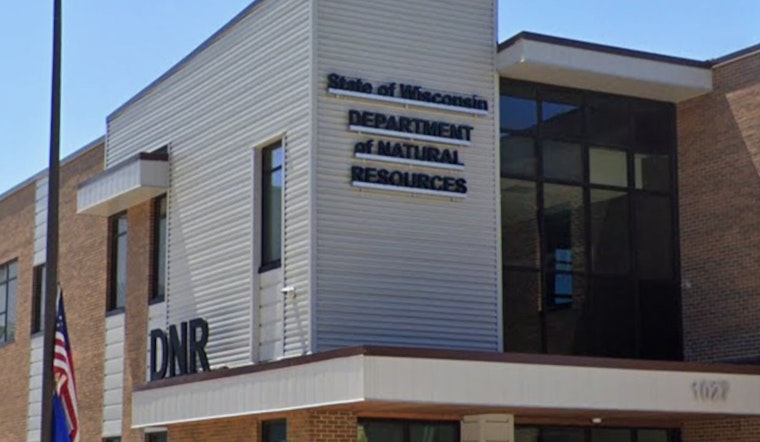
In a move that highlights the delicate balance between infrastructure development and conservation, the Wisconsin Department of Natural Resources (DNR) is gearing up to give a green light to a project that could spell danger for a rare species of lizard in Adams County. The DNR has proposed an authorization for what's known as "incidental taking" of the slender glass lizard, a state-endangered reptile, due to the ATC Northern Adams County Network Improvement project. "Incidental take" refers to an unintended but not unexpected impact on threatened or endangered species. While the loss of some individual lizards is anticipated, DNR experts believe this will not threaten the species' survival.
The ATC project, as outlined by the recently published DNR release, comprises both upgrades to existing transmission lines and the construction of new ones. The agency has found that the slender glass lizard calls the project area home, leading to concerns over its well-being. Still, DNR maintains the project is designed to minimize these impacts and, notably, does not to likely jeopardize the overall population. "The DNR concludes that the proposed project will minimize the impacts to the species by adhering to conservation measures," the Wisconsin DNR stated, asserting that such measures will be incorporated into the project's Incidental Take Authorization.
For the uninitiated, the slender glass lizard is a legless lizard that mimics the appearance of snakes and is native to the region. It has been listed as endangered in Wisconsin, highlighting the importance of tread carefully when its habitat is in question. The DNR has been tasked with the responsibility to ensure that development does not come at too high a cost for the state's wildlife.
The DNR has underscored the beneficial aspect of the project, pointing out its importance to public health, safety, and welfare. They believe the network improvement is not just a necessity but also carries benefits that outweigh the risks posed to the lizard population. The project "has benefit to the public health, safety or welfare that justifies the action", the Wisconsin DNR articulated, suggesting that the trade-off - while not ideal - is ultimately in the public's interest.



