

























































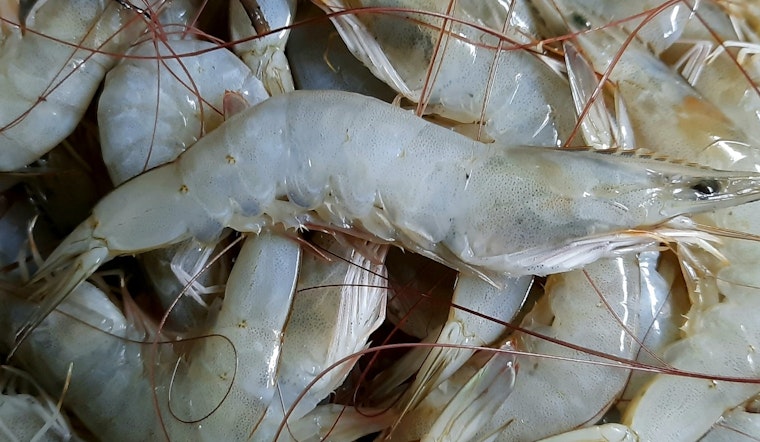
In a concerning development that seafood lovers will want to pay attention to, California-based Southwind Foods has initiated a recall for several of its frozen shrimp brands due to a troubling potential radioactive contamination issue with Cesium-137, a known byproduct of nuclear reactions. Distributed in a span from July 17 to August 8, the flagged products reached shelves in nine states, including Alabama, Arizona, California, Massachusetts, Minnesota, Pennsylvania, Utah, Virginia, and Washington State, as reported by Click2Houston.
Adding to consumers’ worries, the U.S. Food and Drug Administration has issued a safety alert after it emerged that federal officials had detected traces of the radioactive isotope in shipping containers and, alarmingly, in a sample of frozen breaded shrimp sourced from Indonesian importer BMS Foods. The same concern has led to the recall of shrimp sold across Walmart stores in 13 states. The unwelcome issue of potential radioactive contamination is spreading across the industry like bad news at a dinner party. The FDA, stressing the importance of public health safety, is firmly advising consumers not to consume the shrimp under recall. Cesium-137, although widely present in our environment, carries health risks, especially through prolonged exposure, which could increase the risk of cancer.
Among the brands wrapped up in this recall are big names such as Sand Bar, Best Yet, Arctic Shores Seafood Co., Great American Seafood Imports Co., and First Street. These details were elucidated as per a release by the FDA, which was also noted by NBC News. While the FDA has not disclosed which retailers might harbor these shrimp, alert shoppers would do well to remember the significant time frame and brand names when making their grocery choices.
In light of these events, health officials have offered a clear directive for those who may have purchased any of the concerned products: don't eat them, and either toss them out or return them for a full refund, as per the usual response. Knock-on effects of repeated low-dose exposure to Cs-137 can heighten one's risk of cancer by inflicting damage on DNA within the body's living cells. While consumers might understandably be wary after such a scare, it's noteworthy that till now, there have been no reported illnesses tied to the recalled shrimp cases.





