

























































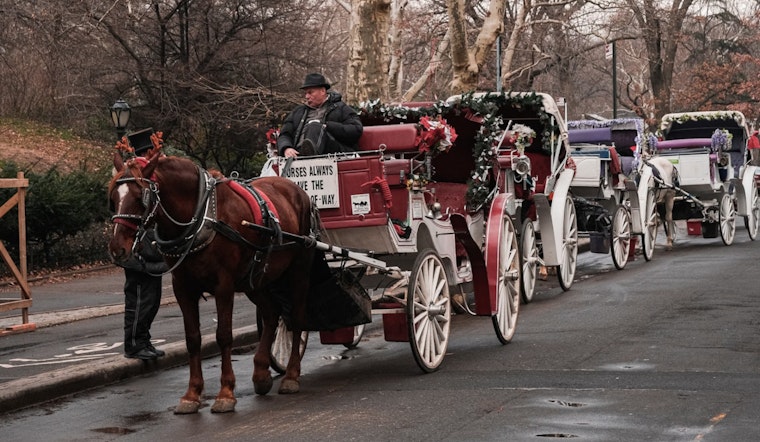
In a noteworthy shift, the Central Park Conservancy has endorsed a bill to prohibit horse-drawn carriages in New York's iconic Central Park. The organization, tasked with managing the park, cited safety concerns and the impact of crowded communal spaces as reasons to back the ban. This move follows an uptick in accidents and the recent collapse and subsequent death of a carriage horse named Lady last week, as reported by ABC7NY.
According to Gothamist, in expressing their support, the Conservancy pointed to incidents where horses managed to break free and created chaos in the park, once even injuring a pedicab driver. Citing a communication to Mayor Eric Adams and Council Speaker Adrienne Adams, Central Park Conservancy President Betsy Smith articulated that these instances, along with roadway damage and unsatisfactory sanitation measures, render the carriages incompatible "with the realities of a modern, heavily used, and shared public space." The Gothamist also noted the concern about heavy carriages and steel horseshoes degrading newly paved roads.
The backing of Ryder's Law, named after a horse that collapsed in 2022, by the Conservancy aligns with the concern of animal rights advocates but is at odds with the carriage industry. The bill, which signals a change in procedure for the park, has been sponsored by nineteen City Council members and offers job retraining for affected carriage drivers and humane re-homing for horses. Despite the ongoing controversy, it's unclear whether Mayor Adams supports the legislation.
Transport Workers Union, representing carriage drivers, has voiced disapproval of the Conservancy's position. Blasting the endorsement, their spokesperson, in a critique marred by a misplaced modifier, said, "The corporate aristocrats at the Central Park Conservancy are now outrageously supporting a measure that would throw about 200 blue-collar workers in the carriage-horse tourism industry out of work," according to remarks John Samuelsen made in a statement. Meanwhile, the Conservancy continues to emphasize the necessity of adapting to changes and honoring the park's history while acknowledging its evolution, as per Gothamist.





