

























































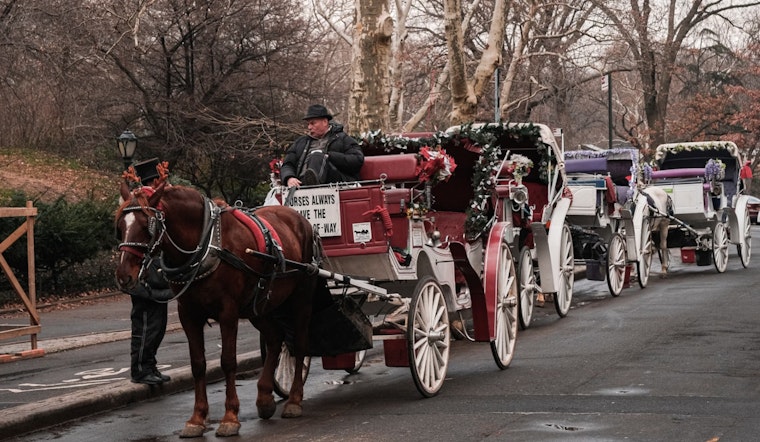
The storied era of horse-drawn carriages in New York City's Central Park may be trotting to an end as the Central Park Conservancy, for the first time, is calling for a ban on the practice. Citing public safety and horse welfare concerns, the Conservancy's push aligns with the advocacy of animal rights groups, who have long argued against the carriage horse tradition. In a letter to Mayor Eric Adams and City Council Speaker Adrienne Adams, Conservancy President and CEO Elizabeth W. Smith called for an end to horse carriages in the park due to the growing number of visitors and resulting safety issues, as reported by CBS News.
Alongside the safety argument, the Central Park Conservancy's president pointed to the carriage operations' contribution to the damage of park roadways—an assertion that adds a financial note to the ethical and safety concerns. The organization is throwing its support behind Ryder's Law, which aims to cease issuance of new carriage licenses and would eventually put a full stop on carriage operations by June 1, 2026. According to CBS News, the law is named after a carriage horse that suffered a tragic death in 2022.
The position of the Conservancy has rattled the Transport Workers Union (TWU), which represents a significant number of the city’s transit workers, including the carriage horse drivers. Their resistance to this proposed ban reflects a deep-seated concern for the approximately 200 workers who could be affected industry-wide. TWU International President John Samuelsen criticized the Conservancy’s stance as "outrageous" and accused them of mismanaging other elements of park traffic that pose greater threats to safety. In a counterproposal aimed at retaining the carriages, the TWU has suggested creating a horse stable within the park, located on land currently not open to the public. This, they argue, could provide educational and therapeutic benefits in addition to keeping the horses off busy city streets, CBS News relayed Samuelsen's remarks.
Meanwhile, the upcoming mayoral race trickles in uncertainty concerning the fate of these equine icons. A division within city politics is apparent as candidates weigh their positions, or lack thereof, on the carriage horse debate. The death of an aging carriage horse on Midtown streets earlier this month has reinvigorated the dialogue, prompting political leaders and entities to rethink their stances. According to a statement obtained by Gothamist, Republican candidate Curtis Sliwa has advocated for a motorized alternative to replace the horses and plans to retrain carriage drivers to use them, while Mayor Eric Adams has alluded to seeking a compromise between those opposed to and those defending the tradition.
As New York navigates this contentious issue, the question of whether the city is prepared to say 'neigh' to Central Park's carriage horses remains open. Activists, workers, tourists, and politicians all have a stake in the final decision as the city considers whether this vestige of 19th-century charm has a place in modern-day Manhattan, or if it's time, in the words of Smith to Gothamist, to "turn the page on horse carriages, just as other major cities across the globe already have."





