

























































The Gulf Coast is once again contending with an influx of cases involving a flesh-eating bacteria, Vibrio vulnificus, known to thrive in warmer coastal waters, with several deaths reported this season. According to Chron, Texas saw a number of cases last year and while current figures for the state are pending, officials have been on high alert.
Over in Louisiana, the story is becoming alarmingly common, with the Department of Health confirming 17 cases of the bacterial infection so far in 2025, including four fatalities. This represents a substantial increase from the 10-year average of seven cases and one death in the same period. In Florida, instances of vibrio infections are also climbing, with 13 cases and four deaths confirmed by health officials this year. Despite the rise in cases, it's important to keep in mind that such infections, while severe, remain relatively rare.
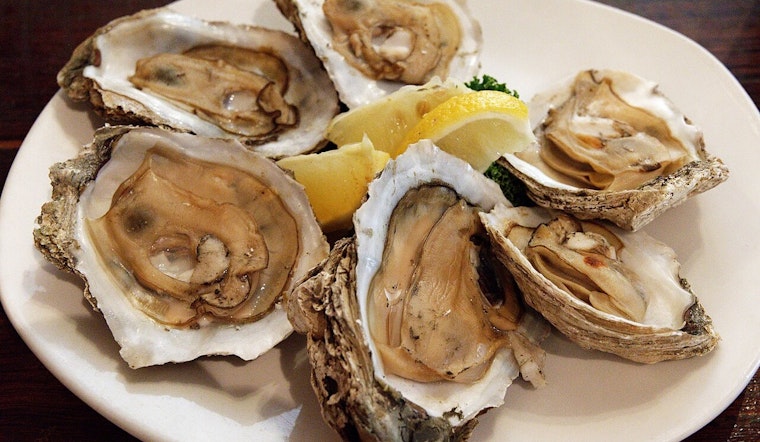
Health experts lay out two routes of transmission for Vibrio vulnificus: entering the bloodstream via cuts or wounds exposed to affected coastal waters or consumption of raw or undercooked seafood, notably oysters. Contracting the bacteria leads to a range of symptoms from gastrointestinal distress to aggressive wound infections, with the potential of escalating to fatal blood poisoning. Dr. Alok Patel, an ABC News medical contributor, stressed the severity and rapid action needed if one suspects exposure, saying, "If you come in contact with ocean water when you have cuts or eat raw seafood and you get sick, you want to make sure you see a doctor immediately, because this needs to be treated quickly," in a statement obtained by ABC News.
With the bacteria's propensity for warmer, brackish waters, the summer months pose a greater risk for these types of infections. Particularly at risk are individuals with pre-existing conditions such as liver disease, cancer, diabetes, or compromised immune systems. To mitigate exposure, health officials advise against entering salt water if harboring open wounds, thoroughly cleaning any such wounds after contact with ocean water, and exercising caution around raw seafood. "The ocean is dirty news. Don't get into it if you have open cuts," Patel warned, as noted by ABC News. Nationwide, the Centers for Disease Control and Prevention estimates around 80,000 cases of vibriosis each year, most of those linked to eating contaminated food.





