

























































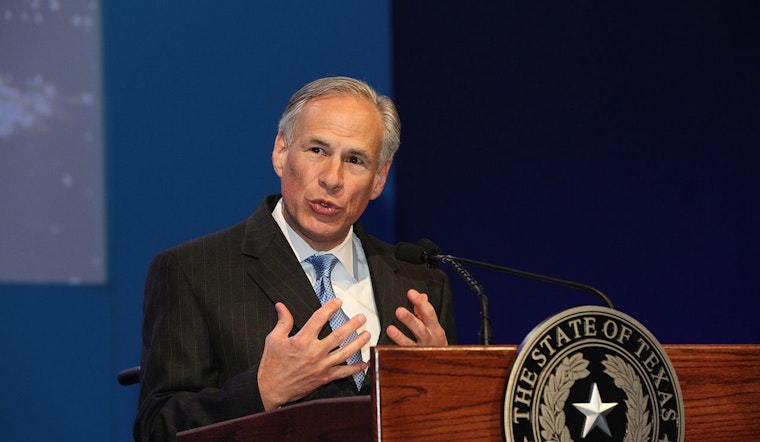
In a determined move to address a range of pressing issues facing Texas, Governor Greg Abbott has officially called for a second special legislative session. Beginning at noon on Friday, August 15, lawmakers are expected to tackle a 19-item agenda that spans from flood relief to education reform. “Delinquent House Democrats ran away from their responsibility to pass crucial legislation to benefit the lives of Texans," said Governor Abbott in a statement picked up by Texas government news. Abbott cited the Democrats' absence as an impediment to providing essential resources for flood victims and progress on various other legislations.
The special session's agenda includes proposals to enhance youth camp safety, strengthen flood early warning systems, and streamline disaster recovery processes. Funding for relief from the July 4th floods—critical for FEMA public assistance recipients—remains a key item. Property taxes, which are often a burden for Texans, may see cuts, and educational assessment methods could shift with the potential elimination of the STAAR test. In terms of hemp regulation, the governor is looking to impose age limits and potency restrictions particularly regarding products consumed by minors under 21.
Other hot-button topics slated for discussion during the session comprise measures to protect unborn children, restrict taxpayer-funded lobbying, and augment protections for human trafficking victims. Law enforcement personnel may also see changes in privacy regarding their personnel records, with proposals aiming to shield officers from the public release of unsubstantiated complaints. In addition, the agenda addresses concerns about the integrity of women's private spaces and enhances the Attorney General's authority to handle election crimes.
The session seeks to address more than just immediate relief and social issues; it also aims to look at the longer-term matters that affect Texans. This includes legislation concerning redistricting, tackling title theft and deed fraud, and providing incentives for water conservation in building projects. Addressing judicial department operations indicates a broader scope of institutional reforms being contemplated by Governor Abbott and his administration. One of the more technical items pertains to reducing impact fees for builders who integrate water conservation techniques, which speaks to the governor's interest in sustainable development.
Gov. Abbott, showing no signs of backing down amid legislative standoffs, promises to wield "all necessary tools" to ensure that the session produces tangible outcomes for the state. With this new special session, Texas lawmakers are poised to enter intense negotiations on these varied and complex issues, all under the watchful eye of a governor keen on seeing his legislative priorities come to fruition.





.jpg)