

























































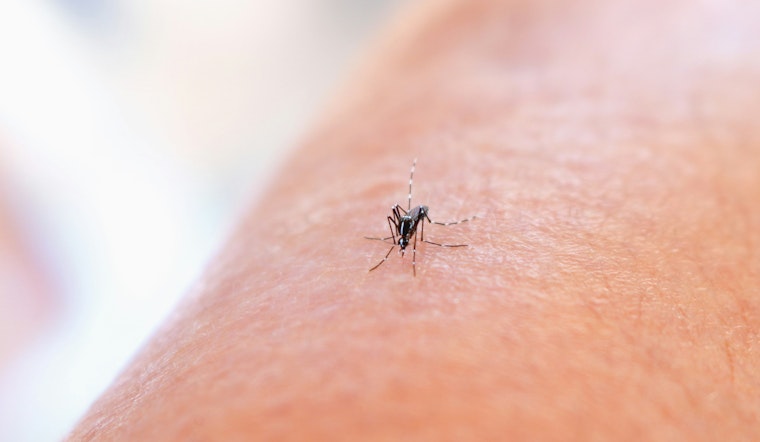
Hawaii health officials have confirmed the state's 11th travel-related dengue fever case of 2025, continuing a concerning trend that has made this year particularly active for mosquito-borne disease cases in the islands. KITV reports the Hawaii Department of Health confirmed the latest case, with the individual exposed in a region where dengue is commonly found.
The @HawaiiDOH has confirmed a new travel-related case of dengue virus on Oʻahu, bringing the total number of dengue cases to 11 in the state in 2025 (one on Maui, 10 on Oʻahu).
— Hawaiʻi State Department of Health (@HawaiiDOH) August 7, 2025
For more information:https://t.co/fvwIHp2keV#denguehawaii pic.twitter.com/Y3NHdaGSHb
The newest case brings Oahu's total to 10 infections this year, while Maui has recorded one case. According to KHON2, DOH teams are inspecting the affected area and conducting mosquito control work to limit the risk of local spread.
2025 Emerges as Active Year for Dengue Cases
This year's case count represents a significant increase from previous patterns in Hawaii. The state's dengue surveillance has intensified as global outbreaks continue to create higher risk scenarios for travelers. Health officials emphasize that while the disease is not established in Hawaii, mosquitoes capable of carrying the virus do live throughout the state.
American Samoa declared a dengue outbreak on July 7, and multiple Pacific islands have reported ongoing transmission. As noted by KHON2, outbreaks reported in 2024 have continued into 2025, creating persistent risk areas for Hawaii residents traveling abroad.
Understanding Dengue Symptoms and Prevention
Dengue symptoms can range from mild to severe and include fever, nausea, vomiting, rash and body aches. According to the Hawaii Department of Health, symptoms typically last two to seven days, and while severe illness can occur, most people recover within a week.
The public can play a crucial role in prevention by removing standing water around homes and using repellent. The Department of Health notes that mosquitoes need only small amounts of standing water to breed, making household prevention efforts critical.
Travel Precautions and Health Guidance
For travelers visiting dengue-endemic areas, health officials recommend using EPA-registered insect repellent, wearing long-sleeved clothing outdoors, and sleeping in air-conditioned rooms or under bed nets. The Hawaii DOH advises that travelers returning from dengue-endemic areas should take precautions to prevent mosquito bites for three weeks after their return.
Healthcare providers and individuals who suspect a dengue infection are advised to call the Disease Reporting Line at 808-586-4586. The state continues to monitor the situation closely as global dengue activity remains elevated and travel patterns continue to present ongoing risk factors for Hawaii residents.




